Backsplashes That Match Delray’s Coastal Style and Codes
Delray Beach homes sit in the $357,000–$600,000 range, so kitchen and bath upgrades are real investments, not quick fixes. A backsplash is a small surface, but it ties the whole room together and protects walls from humidity, cooking splatter, and salt air that drift in from the Atlantic. Homes around Lake Ida and Pineapple Grove Arts District see plenty of remodel activity, and buyers expect clean lines and durable finishes that hold up year-round. Primer Star Corp installs backsplashes that look sharp today and stay tight through hurricane-season moisture and daily use.
The median year built is 1983, which means we often open walls that have thin drywall, outdated electrical, or uneven substrates behind old tile. In Delray, that can show up fast, especially in older homes near Del Ida Park or in updated condos off Atlantic Avenue. We prep surfaces correctly, use proper waterproofing in wet areas, and keep grout lines straight so the installation feels high-end. Our local team has worked across Seagate and Tropic Isle, where owners want a refined finish that matches the upscale vibe of Atlantic Avenue.
Why Delray Beach Homeowners Choose Us
Permit know-how in Palm Beach County
For work tied to larger kitchen remodels over $5,000, we help with NOC requirements and the eServices portal at the Development Services Building Division on NW 1st Ave.
Flood-zone awareness for east of I-95
Homes in AE zones near the Intracoastal can trigger FEMA review during major upgrades; we plan backsplash work to avoid scope creep that complicates compliance.
Neighborhood-specific finish choices
We match the art-forward look of Pineapple Grove and the luxury expectations in Seagate with appropriate tile, trim, and grout that fit the local market.
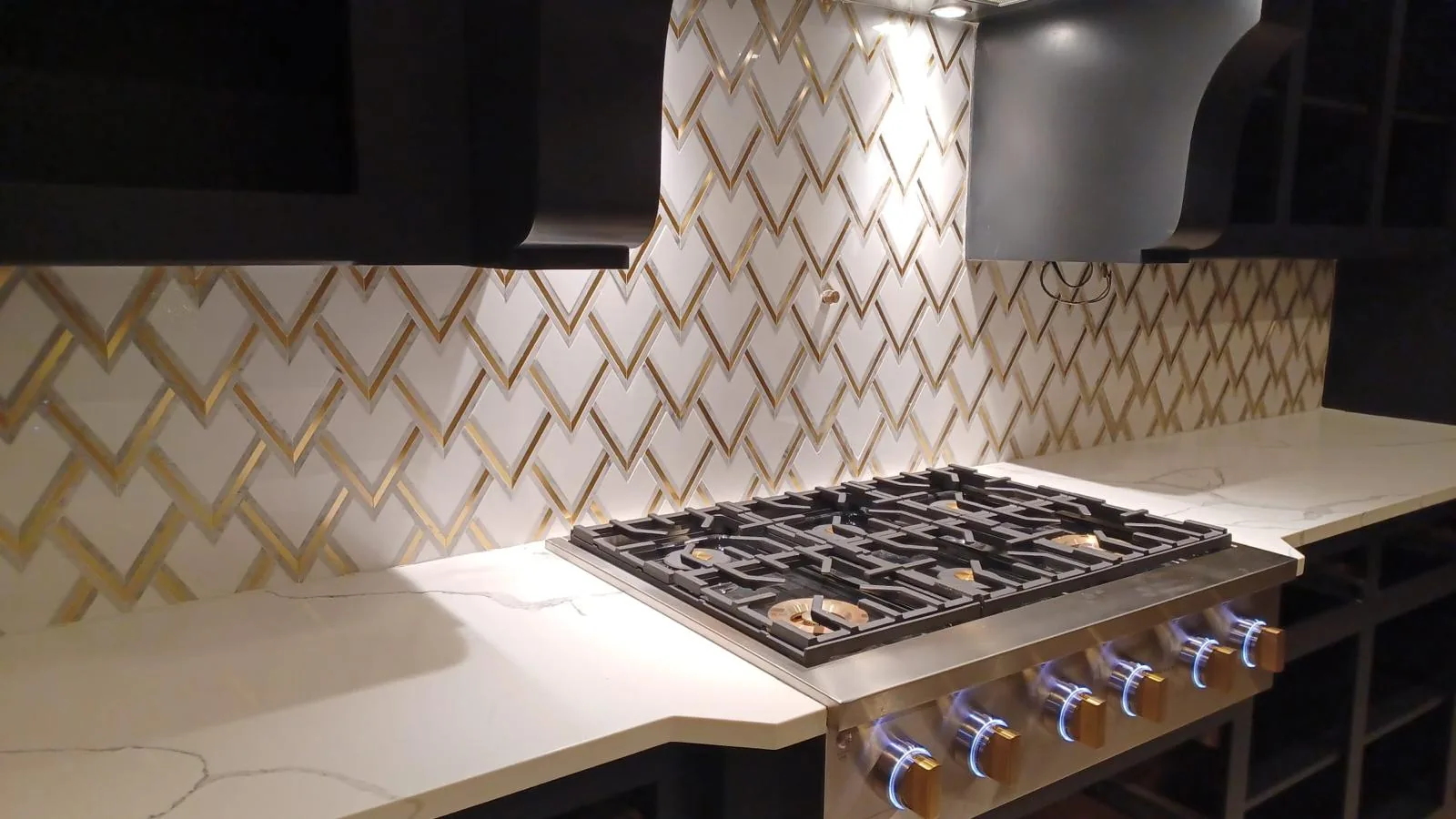
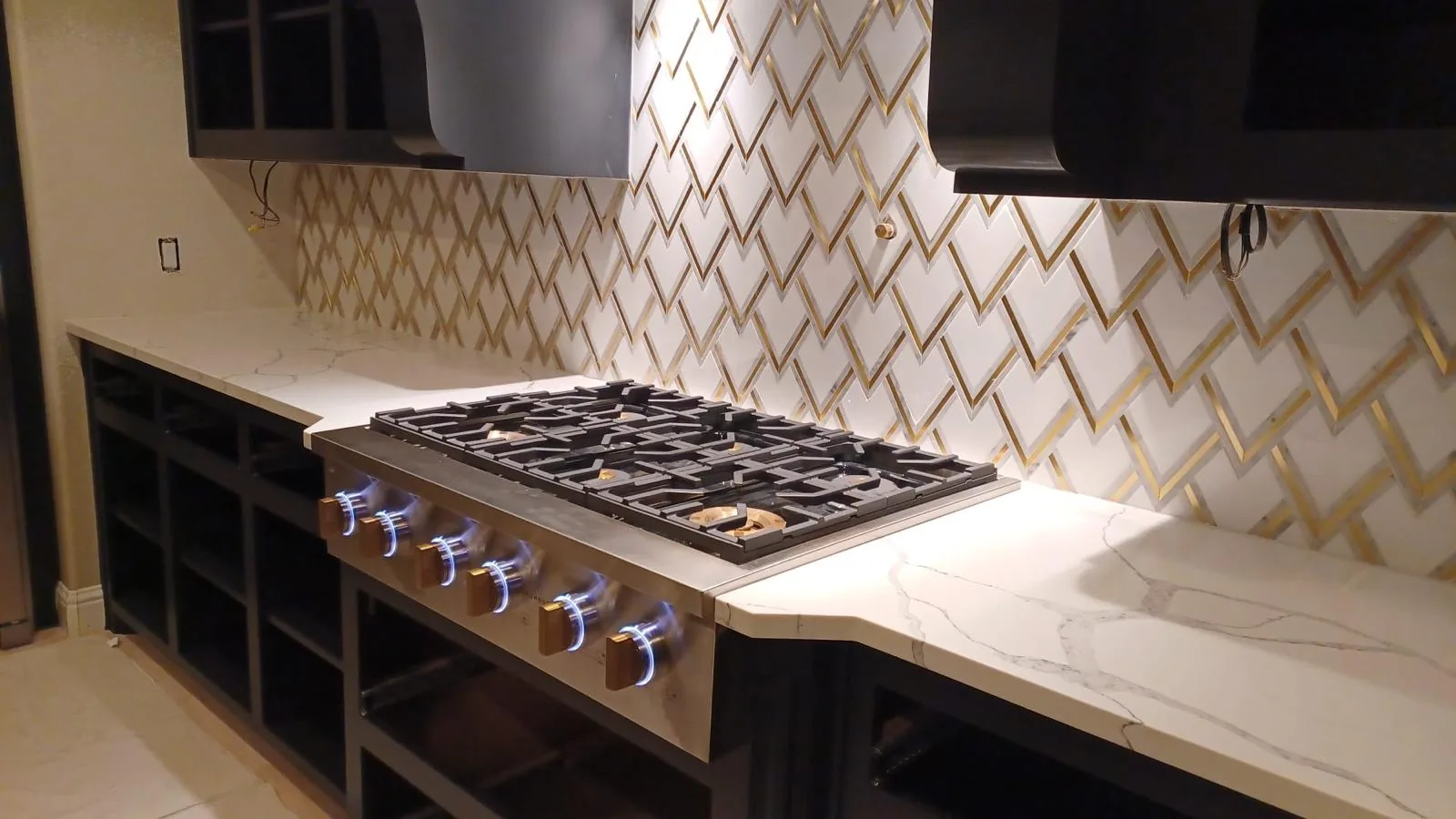
Backsplash Installation Projects
Real results from our team across Palm Beach County and South Florida.
Ready to Start Your Project?
Get a free, no-obligation estimate for your Delray Beach home.
Backsplash Installation in Delray Beach — What You Need to Know
Permits in Delray Beach go through Palm Beach County’s Development Services Building Division at 100 NW 1st Ave, and most homeowners use the eServices portal. Permit fees typically run $200–$2,000 depending on scope, and a Notice of Commencement is required once the total job exceeds $5,000. For a straightforward backsplash, permits are often not required, but if the project is bundled with electrical or plumbing changes, we coordinate the filings and inspections.
Flood zones east of I-95 include AE and X, with FEMA maps updated in December 2024. If a larger remodel crosses the 50% substantial improvement threshold, the City can require additional compliance steps, which is why we keep backsplash work clearly scoped and documented. Materials matter here: we use mold-resistant setting materials, epoxy or high-performance grout in wet areas, and sealers that stand up to humidity and salt air. That matters in Tropic Isle and Seagate homes where ocean air is constant.
HOA rules are a daily reality in Kings Point and many condo buildings near Atlantic Avenue. We coordinate with boards on delivery windows, noise hours, and approved finishes so the project stays on schedule. Lake Ida renovations often reveal uneven walls or old plaster, so we float and level surfaces before tile goes up. The result is a backsplash that looks custom, not rushed.
Backsplash Installation Questions in Delray Beach
Most Delray Beach backsplash projects run $900–$2,800 for standard tile and $2,500–$4,800 for premium glass or stone, depending on layout, prep, and material selection.
A basic backsplash swap usually doesn’t need a permit, but if the work includes electrical, plumbing, or is part of a larger remodel over $5,000, the county may require permits and a Notice of Commencement.
Porcelain or glass tile with epoxy or high-performance grout resists moisture, staining, and salt air, which is important for Delray kitchens and baths near the ocean.
Yes. We handle HOA approval requirements, delivery windows, and noise restrictions so the installation stays compliant and on schedule.
We do, and we keep finishes appropriate for 1920s–1930s architecture while still using modern waterproofing behind the tile.