Why Miami Has the Toughest Exterior Painting Conditions in America
Miami — gateway to Latin America and home to 464,655 residents — sits in the HVHZ (High-Velocity Hurricane Zone), the strictest wind code in the United States. Homes valued between $565,000 and $674,000, most built around 1978, face a combination of environmental assaults that no other major US city matches: Category 5 hurricane potential, year-round salt air exposure, UV radiation intense enough to break down paint chemistry, and coastal flooding from sea level rise.
Every exterior coating product used in Miami-Dade County must carry a valid NOA (Notice of Acceptance) — a certification that the product has been tested and approved for use in hurricane conditions. This is not optional. Pre-1995 homes in flood zones (AE, AH, VE) may also require an Elevation Certificate before any substantial exterior work begins. The permitting landscape is further complicated by Miami's dual-jurisdiction system — some areas fall under City of Miami, others under Miami-Dade County.
The majority of Miami's housing stock is stucco over concrete block — a substrate that absorbs moisture, cracks from foundation settling in sandy soil, and deteriorates when improperly coated. Add the fact that over 70% of Miami's population is Hispanic/Latino with diverse architectural preferences from Art Deco to Mediterranean to Contemporary, and you understand why exterior painting here demands both technical expertise and cultural awareness.
Why Miami Homeowners Choose Us for Exterior Painting
HVHZ-Compliant Coatings
Every product we use carries a valid NOA for Miami-Dade's HVHZ. Elastomeric coatings that flex with hurricane-force winds, seal stucco cracks, and resist wind-driven rain penetration — tested to 180+ mph standards.
UV & Salt Air Defense
Miami gets 248 sunny days per year with intense UV that destroys ordinary paint. Our systems combine UV-reflective pigments with salt-resistant formulas — critical for homes in Coconut Grove, Miami Beach, and Key Biscayne coastal areas.
Coral Gables Zoning Experts
Coral Gables requires Board of Architects approval for exterior color changes — one of the strictest architectural review processes in Florida. We navigate the approval process and ensure every color choice complies with their Mediterranean-inspired guidelines.
Ready to Protect Your Miami Home?
Free estimate — we assess stucco condition, moisture levels, and recommend the right coating system for your location.
Exterior Painting Projects
Real results from our team across South Florida.
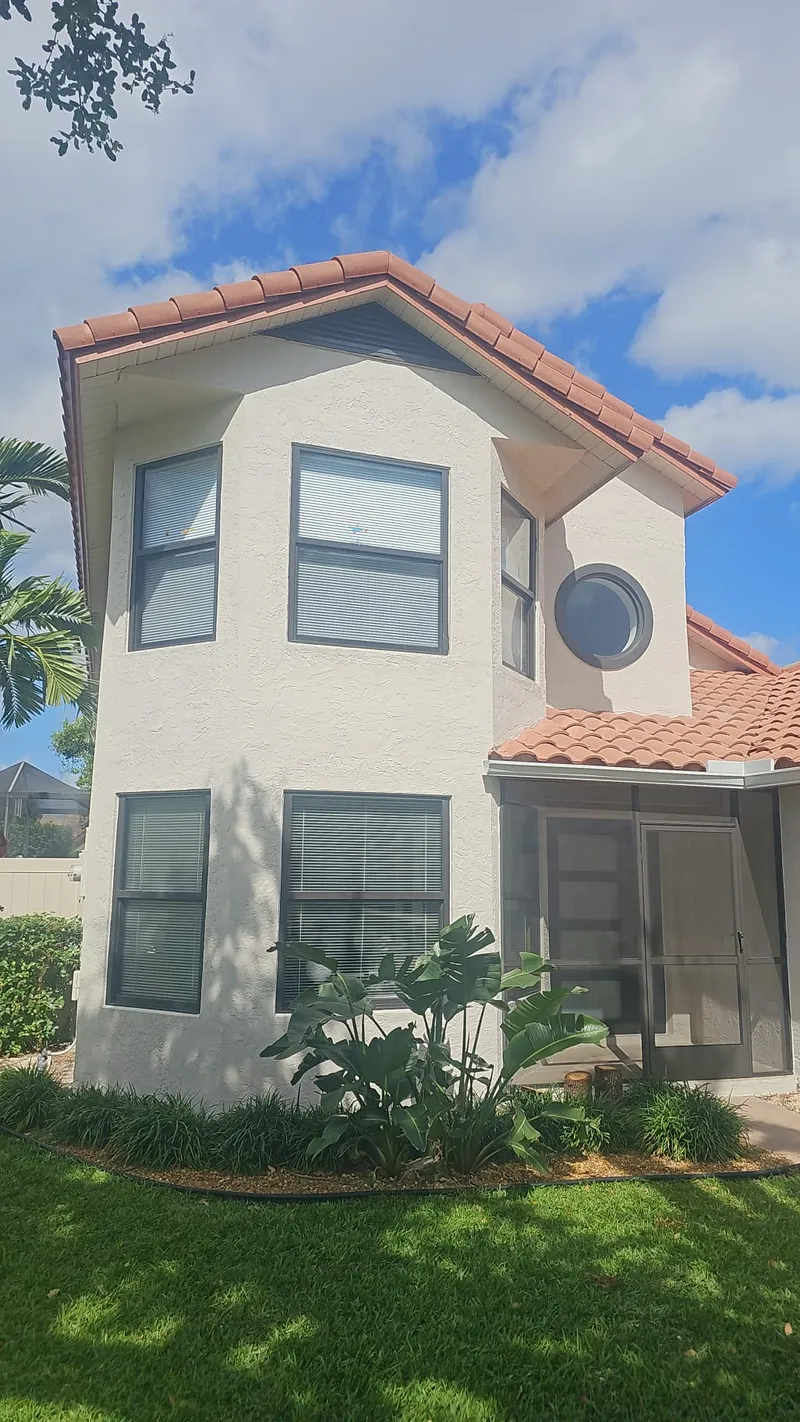
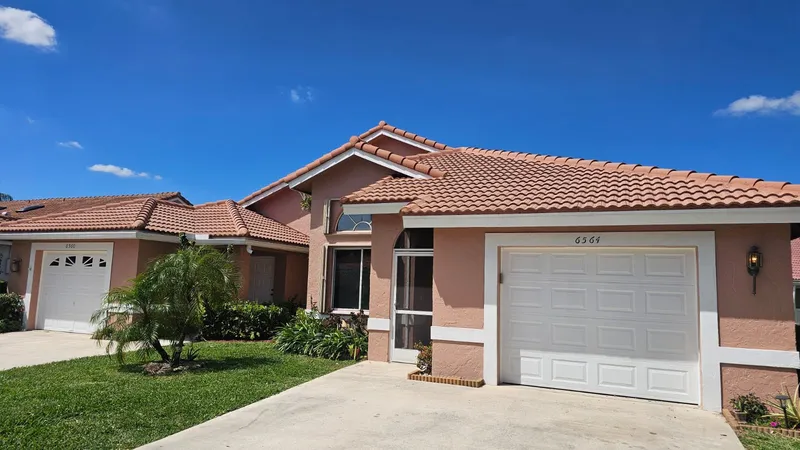
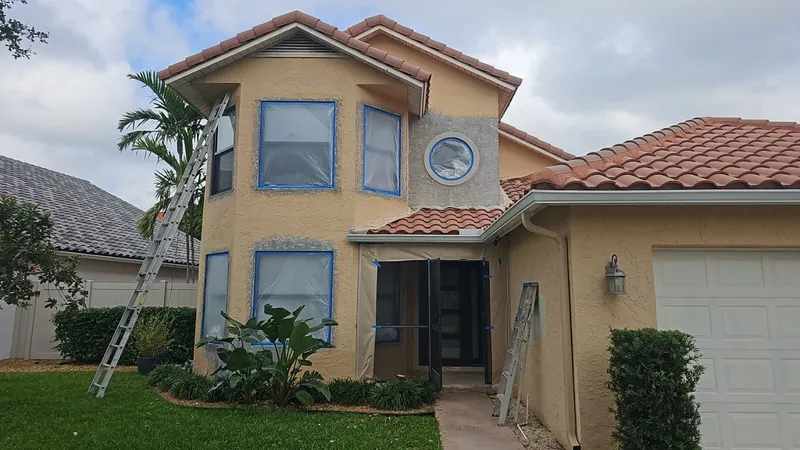
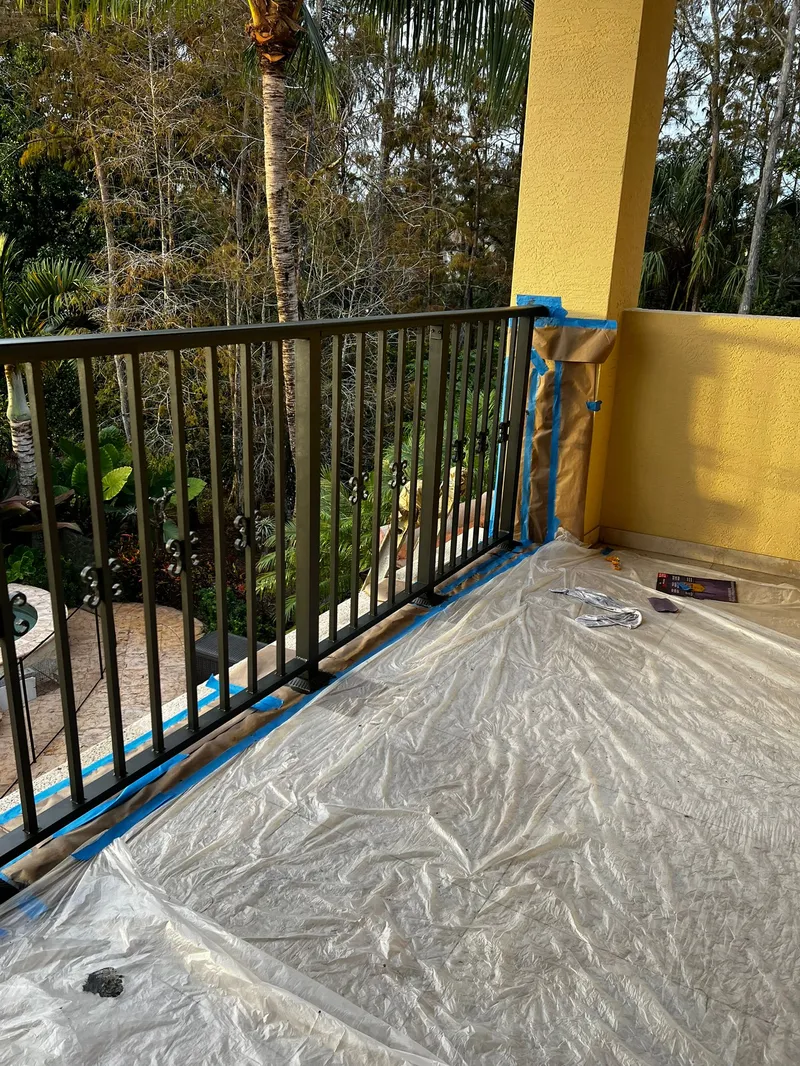
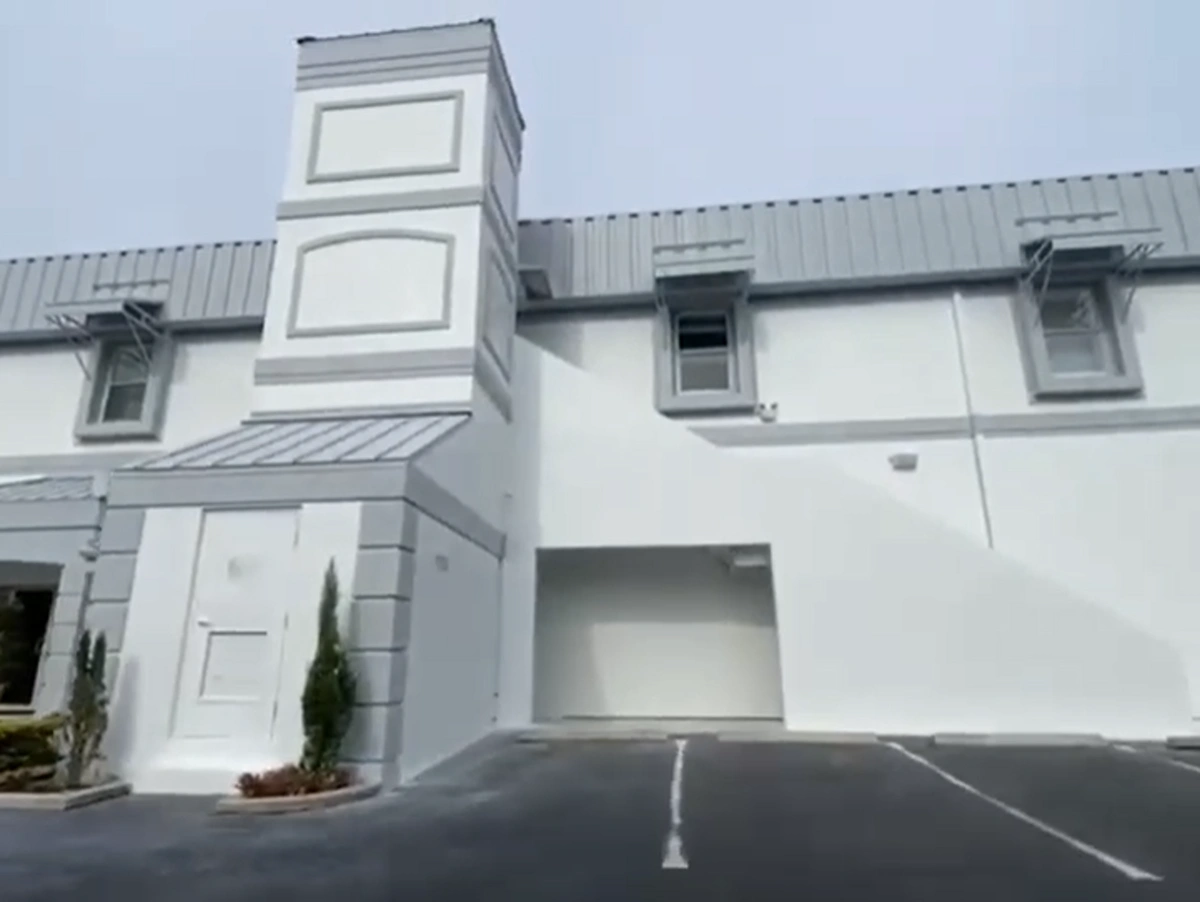
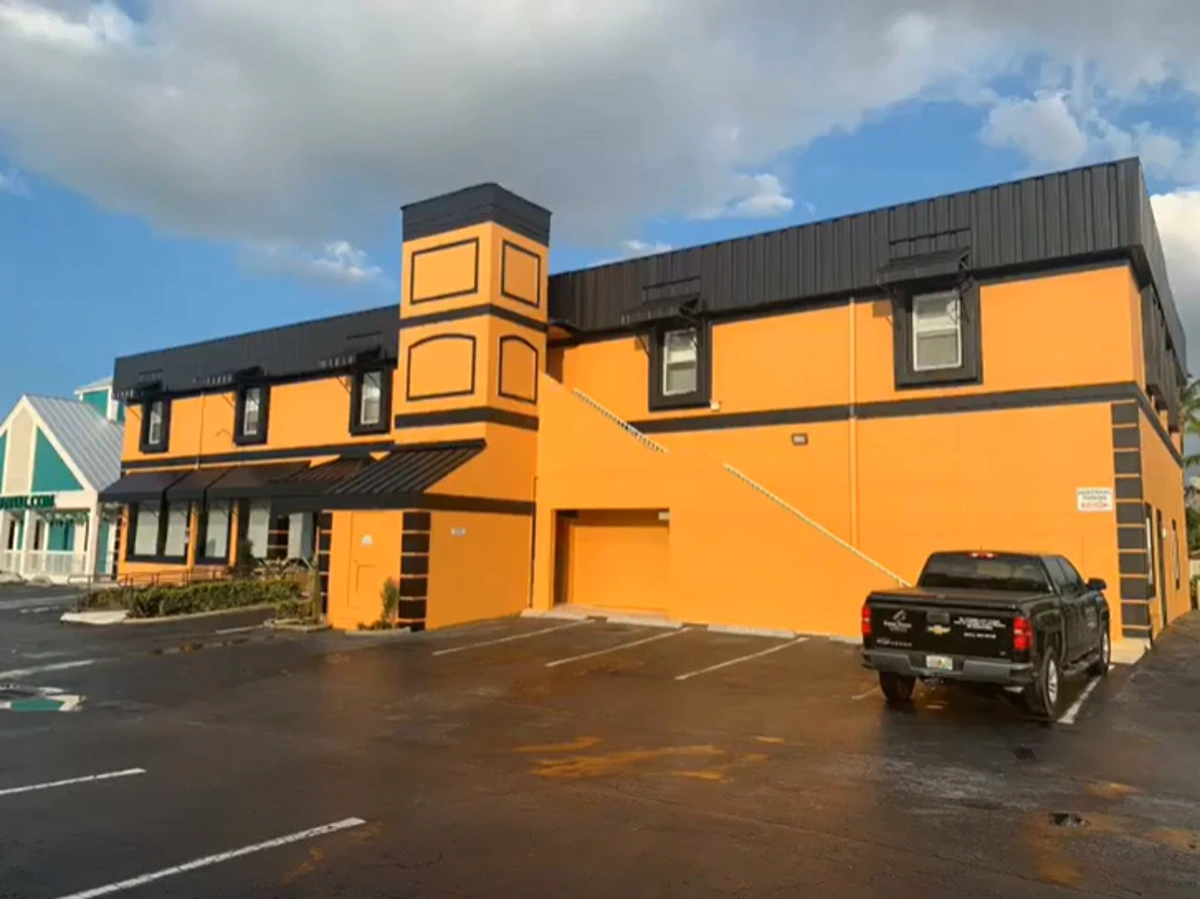
Exterior Painting in Miami — What You Need to Know
Neighborhoods we serve: Miami's neighborhoods each face distinct exterior painting challenges. Coral Gables — Spanish Revival architecture with strict zoning requiring Board of Architects approval — demands historically appropriate colors and premium finishes. Coconut Grove, the oldest neighborhood in Miami, has a bohemian mix of historic cottages and modern homes, many shaded by a dense tropical canopy that promotes mold on north-facing walls. Brickell and Downtown high-rises require certified high-access painters and wind-rated coatings. Miami Beach and South Beach iconic Art Deco buildings need UV-resistant pastels applied per Historic Preservation Board guidelines. Pinecrest estates have expansive facades that demand consistent color application across large surfaces.
Permits and regulations: Standard repainting in the same color does not require a permit. Color changes in Coral Gables require Board of Architects review. Stucco repair, structural work, and projects in historic districts need permits through the City Building Department or Miami-Dade County at miami.gov/Permits-Construction. Fees are 0.5% of project cost (min $45). In flood zones, substantial improvements over 50% of structure value trigger full HVHZ code compliance.
Climate factors: Miami receives 62+ inches of rain annually, concentrated in June-November hurricane season. Exterior paint must withstand 248 sunny days of intense UV, humidity above 80%, wind-driven rain, and airborne salt from Biscayne Bay and the Atlantic. Sea level rise and king tides increasingly affect coastal neighborhoods with splash and spray. We schedule exterior work November-April and require 48+ hours of dry weather before and after application.
Common issues: Stucco cracking from foundation settling in Miami's porous limestone substrate, efflorescence (white salt deposits) bleeding through paint, mildew on shaded walls, chalking and fading from UV breakdown, and paint blistering from moisture trapped in concrete block. Each requires specific preparation — not just pressure washing and topcoat.
Exterior Painting Questions in Miami
Typically $4,000 to $15,000 depending on home size, condition, and location. Coastal properties in Coconut Grove, Miami Beach, or Key Biscayne requiring salt-air prep and marine-grade primers cost more. Coral Gables homes with Board of Architects requirements may have additional review fees. We provide free on-site estimates.
Standard repainting — no. Color changes in Coral Gables require Board of Architects approval. Stucco repair or work on historic properties requires permits through miami.gov/Permits-Construction or Miami-Dade County. Fees are 0.5% of project cost (min $45). All products must have NOA approval for HVHZ.
100% acrylic elastomeric coatings with NOA approval for HVHZ. These flex with building movement, bridge stucco cracks, and resist wind-driven rain. We use Sherwin-Williams Duration Exterior and Benjamin Moore Aura Exterior with marine-grade primers for coastal areas.
Every 4-6 years for most Miami homes. Coastal properties in Miami Beach, Coconut Grove, or Key Biscayne may need repainting every 3-4 years due to salt air. Pre-1978 stucco homes are more porous and may need more frequent maintenance. We inspect and recommend based on actual condition.
HVHZ (High-Velocity Hurricane Zone) is the strictest wind code in the US, covering all of Miami-Dade County. All exterior coatings must have a NOA (Notice of Acceptance) proving they withstand hurricane conditions. We exclusively use NOA-approved products — non-compliant work can result in code compliance concerns and insurance issues.