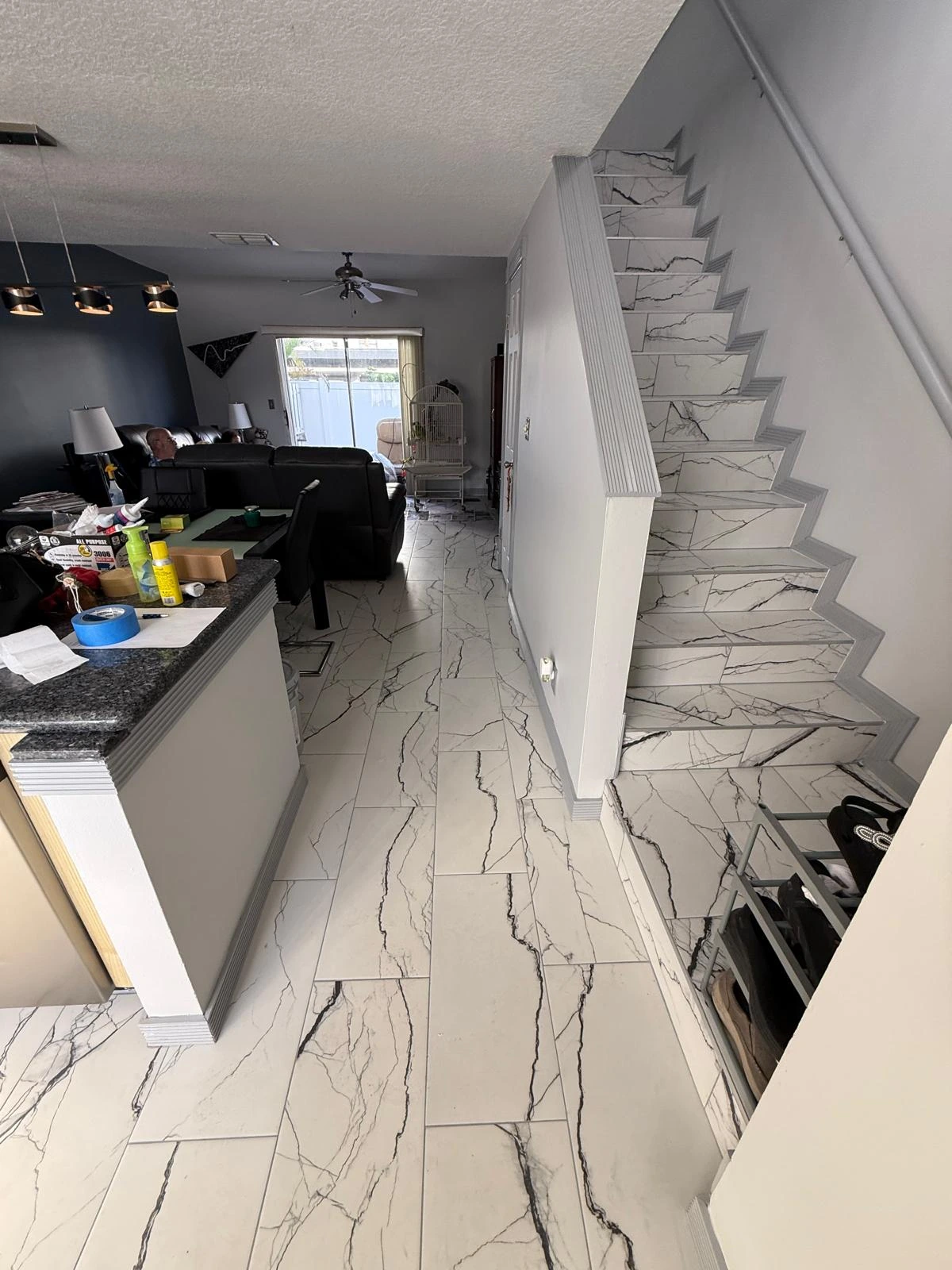
Flooring built for Coral Springs homes hitting their renovation cycle
Coral Springs sits in the $559,500–$677,450 median home value range, so flooring isn’t a cosmetic afterthought here—it’s a value-protecting investment. Most homes were built around 1987, which means original carpet, thin underlayment, and worn-out plywood subfloors are common. In Ramblewood and Turtle Run, families are updating floors to match today’s open layouts and higher resale expectations without the headaches of a full remodel.
In Eagle Trace and Heron Bay, the goal often shifts to luxury durability—quiet underfoot, resistant to humidity, and compliant with HOA architectural reviews. Coral Springs is inland, but the summer humidity and sudden rain still punish low-grade materials, and drainage issues in heavy storms can warp standard boards. Flooring upgrades here need smart moisture barriers and products that won’t cup after a wet season.
Primer Star Corp has completed flooring upgrades across Coral Springs for years, with crews who know the difference between The Springs’ original slab conditions and newer subfloor systems in later phases. Reach us at (754) 326-7976 or WhatsApp 17543267976 to schedule a walk-through and clear, written estimate.
Why Coral Springs Homeowners Choose Us
Permit-ready for Broward County
For jobs that trigger permits, we file through the Building Department at 9551 W Sample Rd via eTrakit, and keep costs in the $200–$1,500 range aligned with scope.
Materials built for Coral Springs humidity
We steer homeowners toward moisture-resistant LVP, sealed engineered wood, and proper vapor barriers to handle South Florida humidity and seasonal downpours.
HOA-compliant solutions
Strong HOA oversight in Heron Bay and Eagle Trace means documented product specs, sound ratings, and finish samples ready for architectural review.
Flooring Upgrades Projects
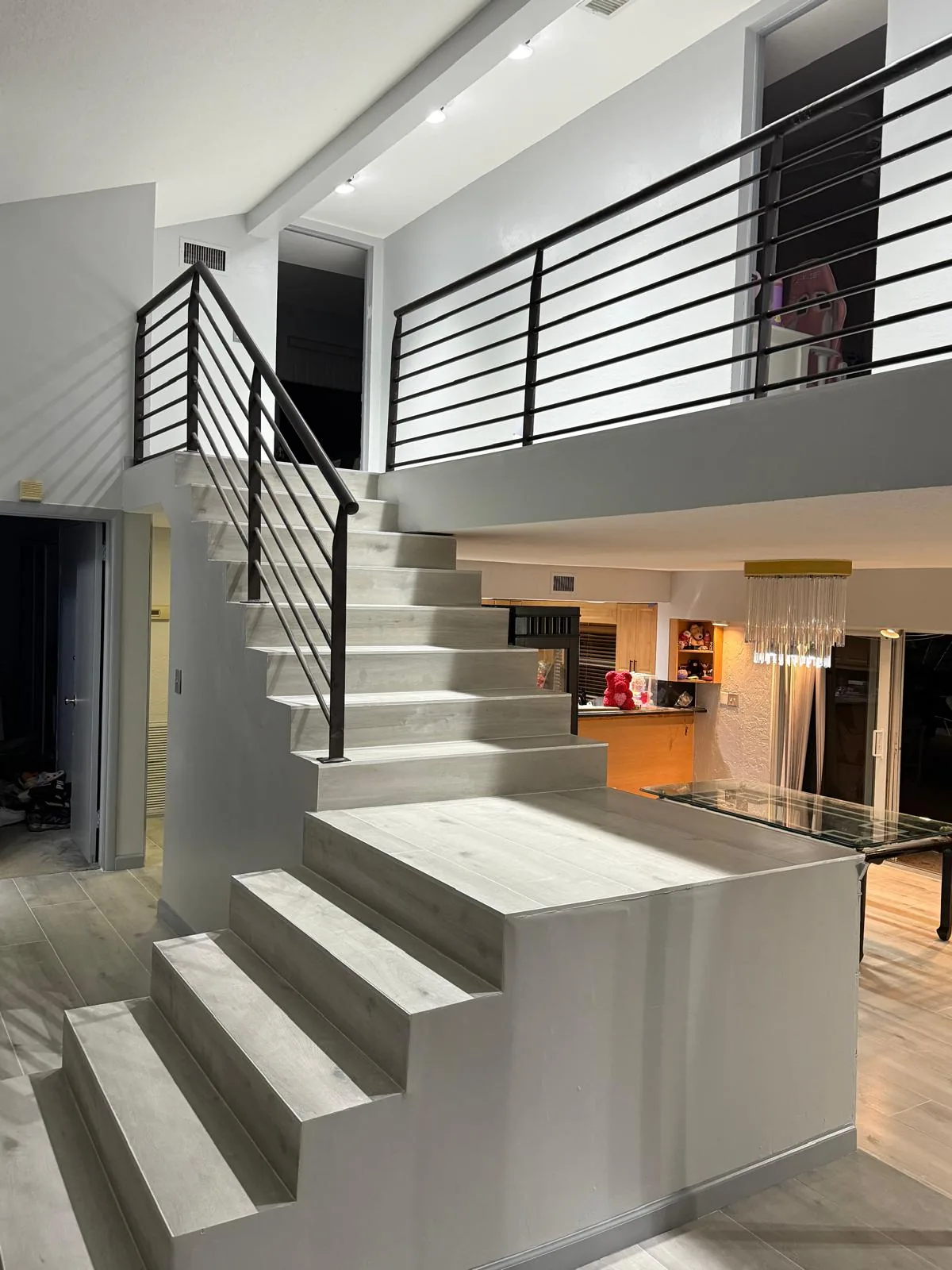
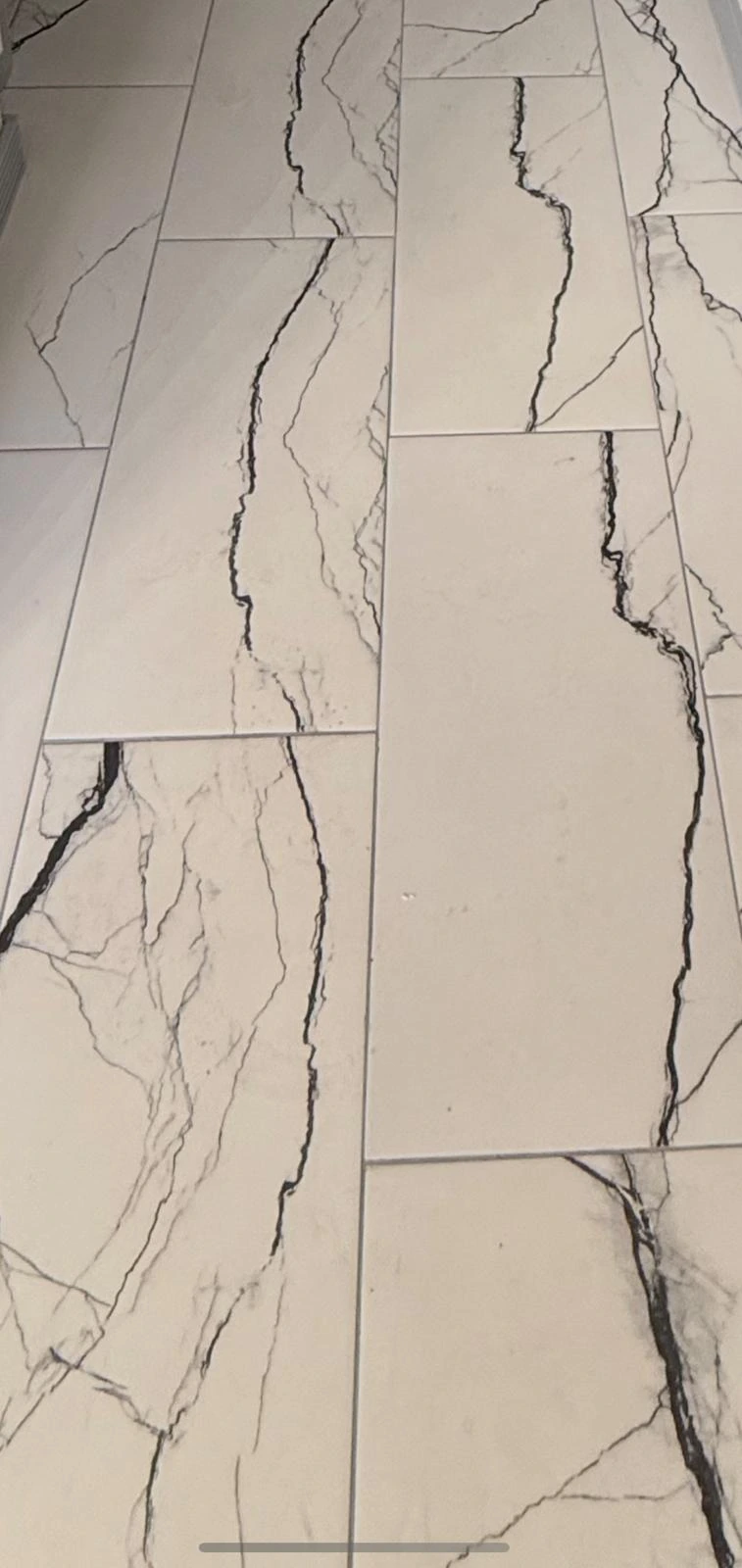
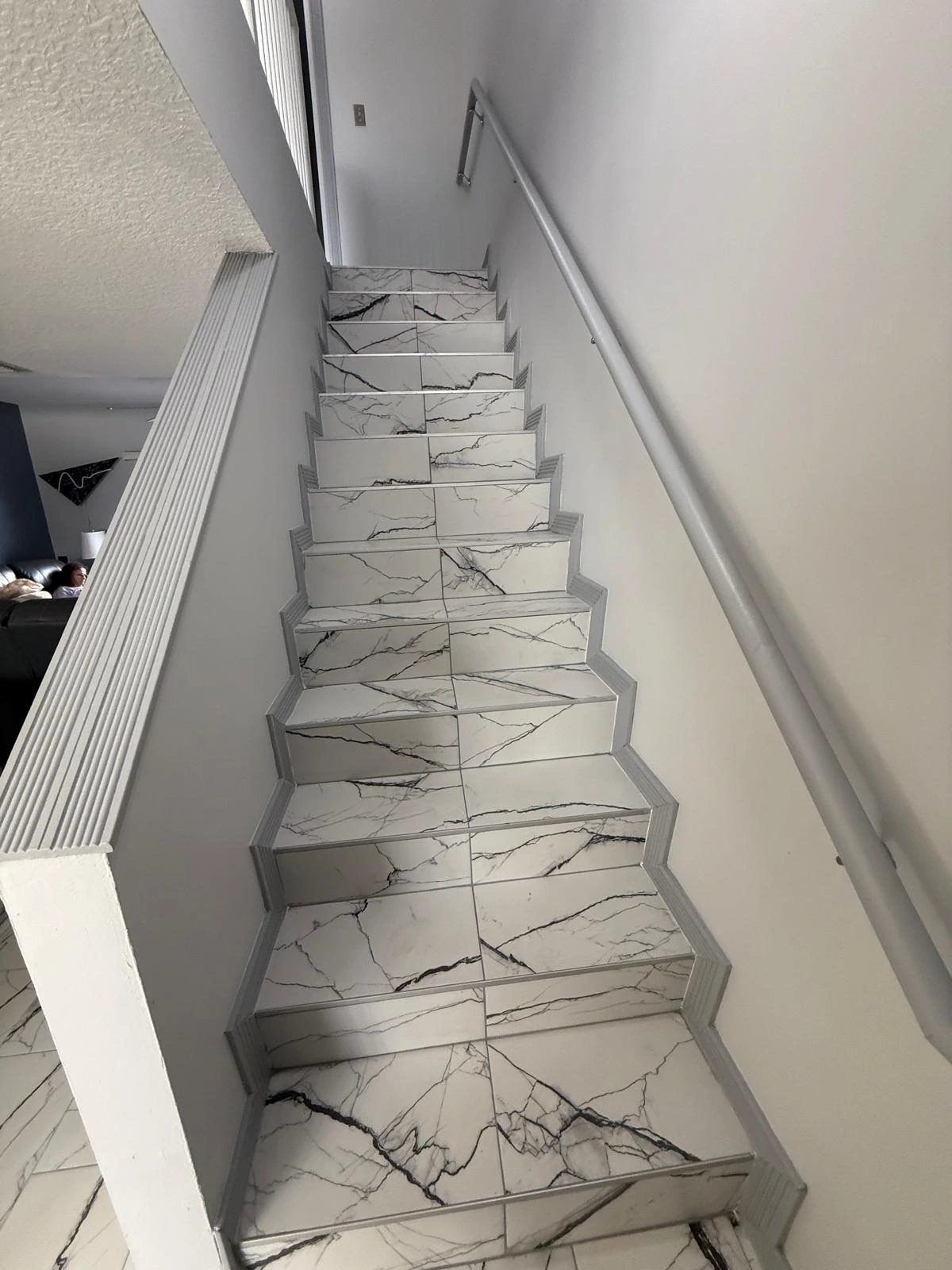
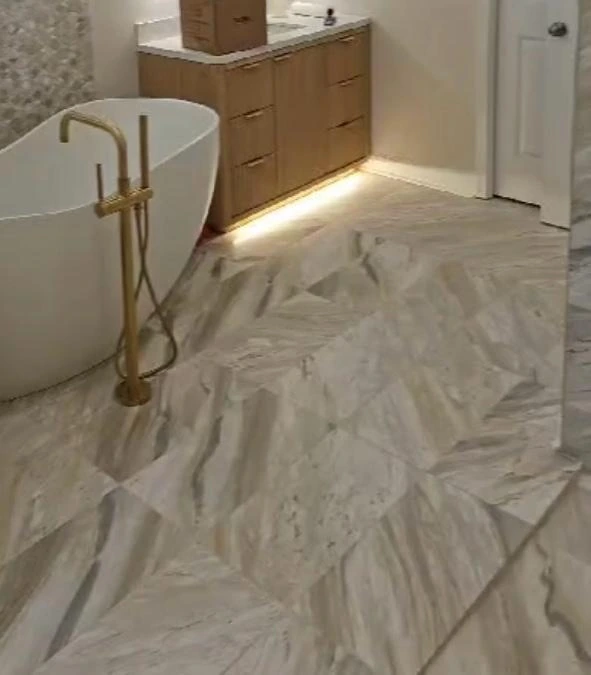
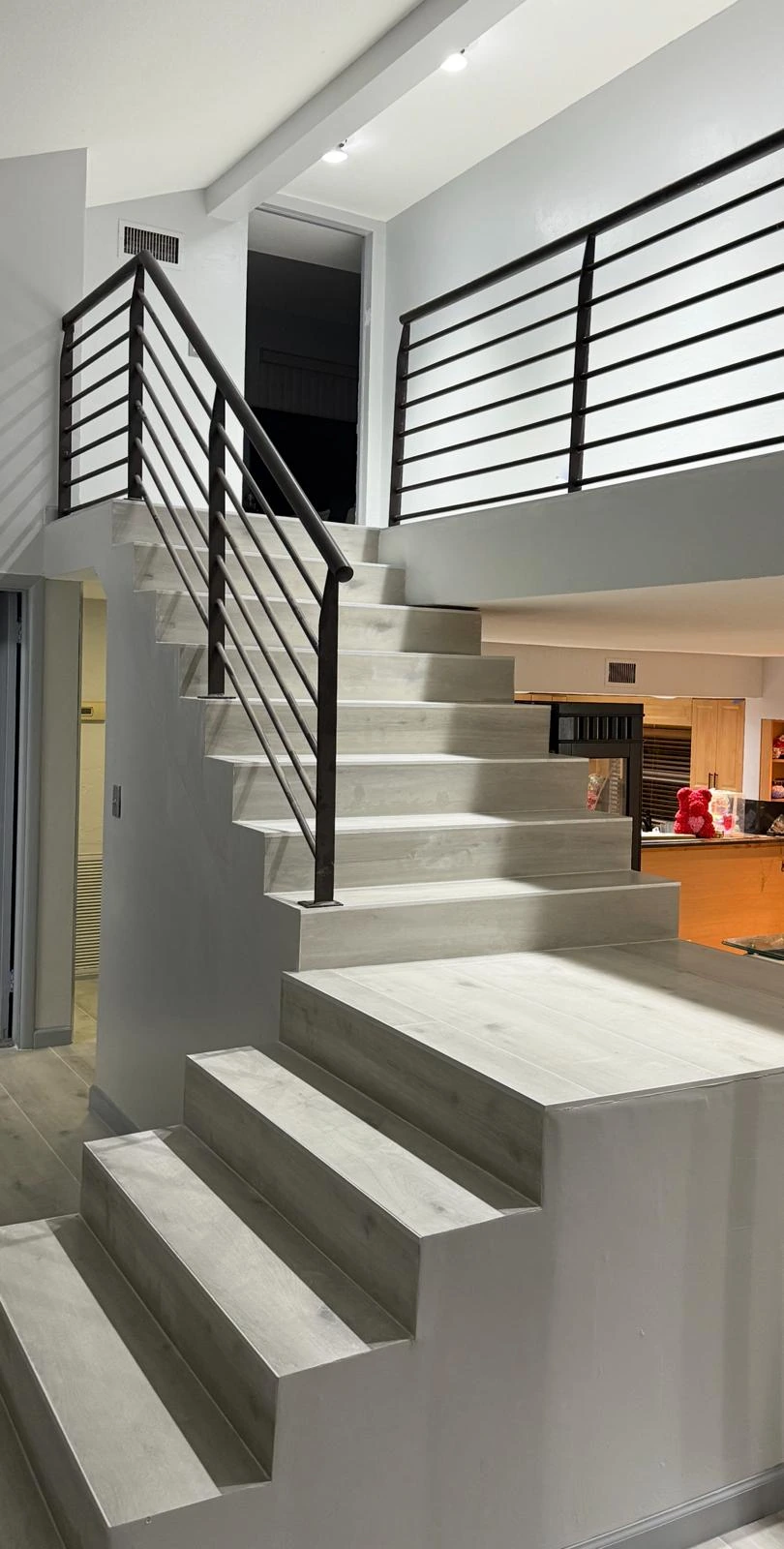
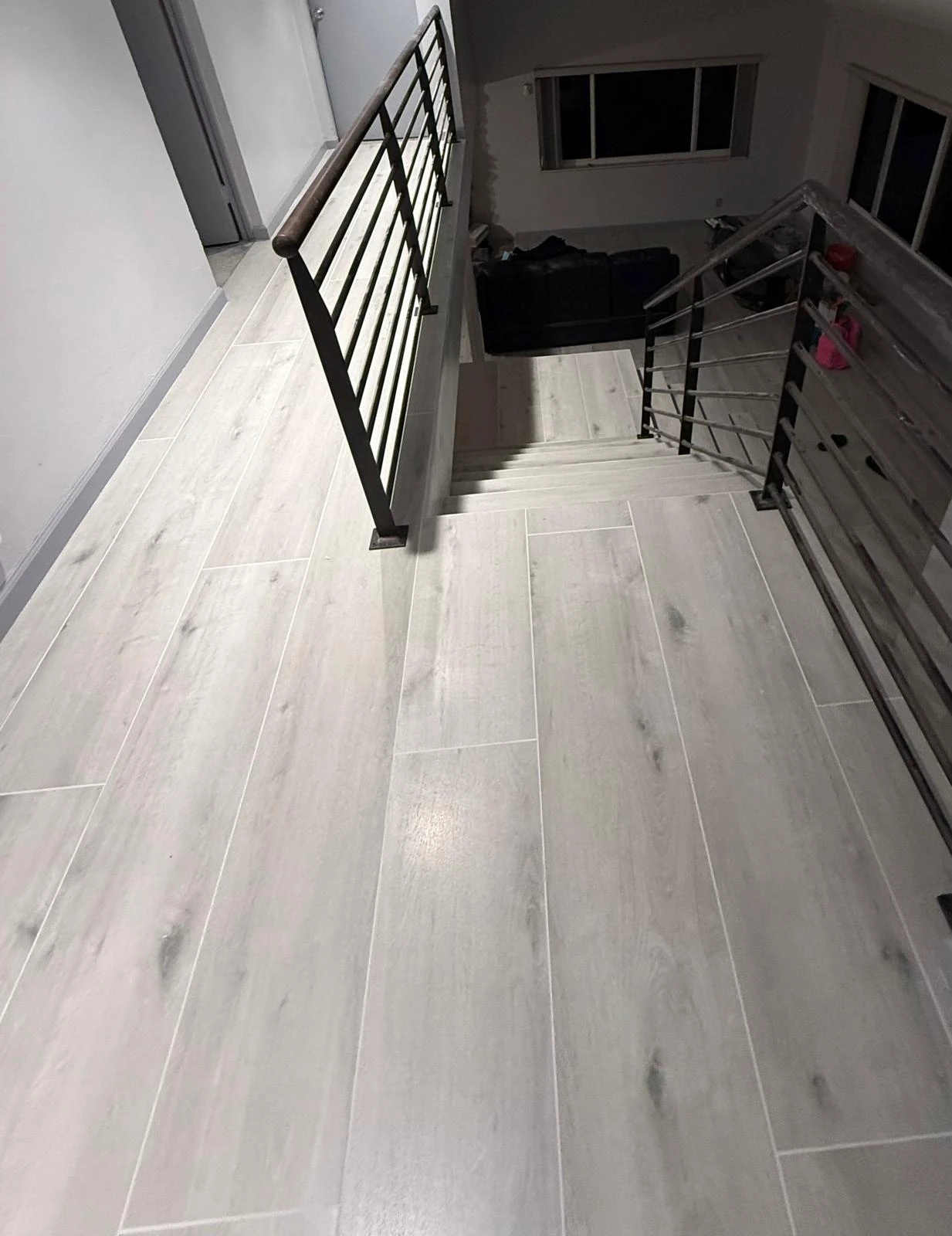
Real results from our team across Broward County and South Florida.
Ready to Start Your Project?
Get a free, no-obligation estimate for your Coral Springs home.
Flooring Upgrades in Coral Springs — What You Need to Know
In Coral Springs, permit requirements for flooring upgrades depend on scope and subfloor changes. The Broward County Building Department at 9551 W Sample Rd handles permits, and most residential permits land in the $200–$1,500 range. We submit through the eTrakit portal and coordinate inspections when repairs to slabs or structural underlayment are involved, keeping the project moving without surprises.
Most of the city sits in Flood Zone X, with some AE pockets along canals. That lower flood risk still doesn’t eliminate moisture concerns, and if a property falls into substantial improvement territory under the 50% rule, material selection and documentation matter. We recommend waterproof LVP, porcelain tile, or sealed engineered wood with proper vapor barriers to manage humidity spikes and avoid cupping or mold growth after summer storms.
Coral Springs has strong HOA control over exterior changes, and in communities like Heron Bay, even interior flooring can require sound transmission ratings or sample approval. We’ve handled noise-reduction underlayment requirements for townhomes and addressed slab moisture conditions common in The Springs. For families in Ramblewood, we plan around school schedules and deliver dust-controlled demos to keep the house livable during the work.
Flooring Upgrades Questions in Coral Springs
Most Coral Springs flooring upgrades range from $6 to $18 per square foot installed. LVP typically runs $6–$10, engineered wood $9–$16, and porcelain tile $10–$18 depending on prep and underlayment.
Basic flooring swaps usually don’t require a permit, but subfloor repairs, slab work, or layout changes can trigger one. We verify requirements with the Building Department at 9551 W Sample Rd and submit through eTrakit when needed.
Waterproof LVP, porcelain tile, and sealed engineered wood perform best in Coral Springs humidity. Proper vapor barriers and moisture testing are key, especially on older slabs.
Yes. We provide product specs, sound ratings, and samples for architectural review and make sure installation meets HOA rules for noise and finish standards.
A 1,500–2,000 sq ft home usually takes 3–6 days depending on demo, slab prep, and the chosen material. Older homes from the 1987 era often need extra subfloor leveling.