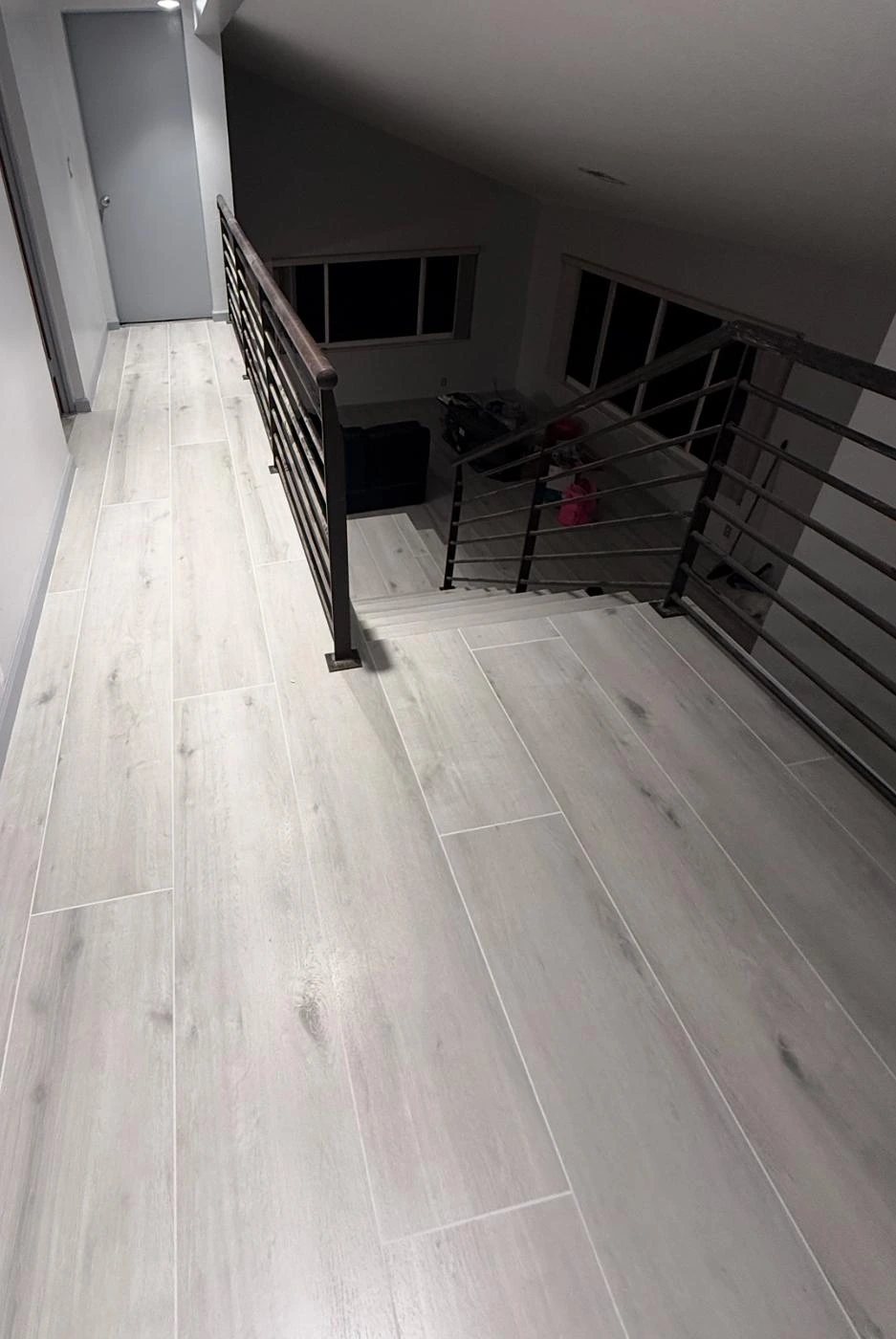
Flooring built for Fort Lauderdale’s moisture, salt air, and flood zones
Fort Lauderdale’s median home value ranges from $503,000 to $657,500, so flooring upgrades are more than cosmetic—they’re part of protecting a serious investment. Homes here carry the coastal premium, especially in Las Olas Isles and Rio Vista, where waterfront estates demand materials that hold up against salt air, humidity, and heavy foot traffic from a boating lifestyle. A well-planned flooring upgrade helps resale value and daily comfort, especially around entryways and kitchens that take the brunt of wet shoes and sand.
The median year built is 1972, and that era often comes with slab moisture issues, old underlayments, and transitions that no longer meet current standards. In Victoria Park, we regularly find uneven subfloors in 1930s homes, while Flagler Village condos often require sound-rated systems and HOA-approved materials. Primer Star Corp brings local experience to these realities, from leveling cracked slabs to selecting waterproof flooring that stands up to Fort Lauderdale’s humidity and rain season.
Flooring in a city built around canals and boats isn’t one-size-fits-all. Our team plans upgrades with Broward County requirements in mind and finishes that look right for historic streets as well as modern high-rises.
Why Fort Lauderdale Homeowners Choose Us
Flood-zone aware installations
Most of Fort Lauderdale sits in SFHA zones, so we plan flooring with AE, AO/AH, and VE requirements in mind, including moisture barriers and elevated thresholds.
Permit-ready documentation
We prepare scope details that align with Broward County’s Development Services process and LauderBuild submissions to avoid permit delays.
Historic and condo compliance
From Victoria Park preservation overlays to Flagler Village HOA sound rules, we choose systems that pass review without compromising design.
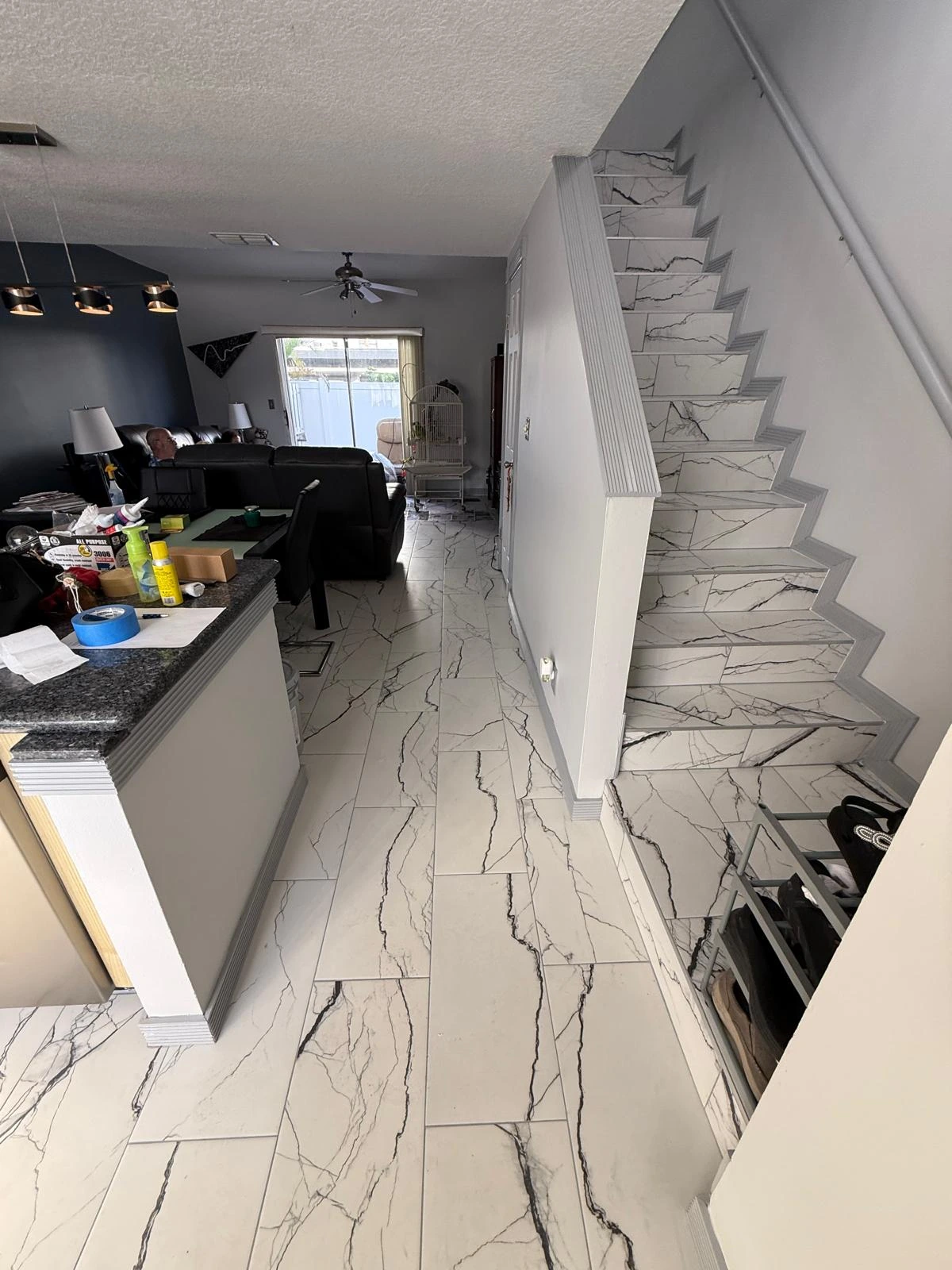
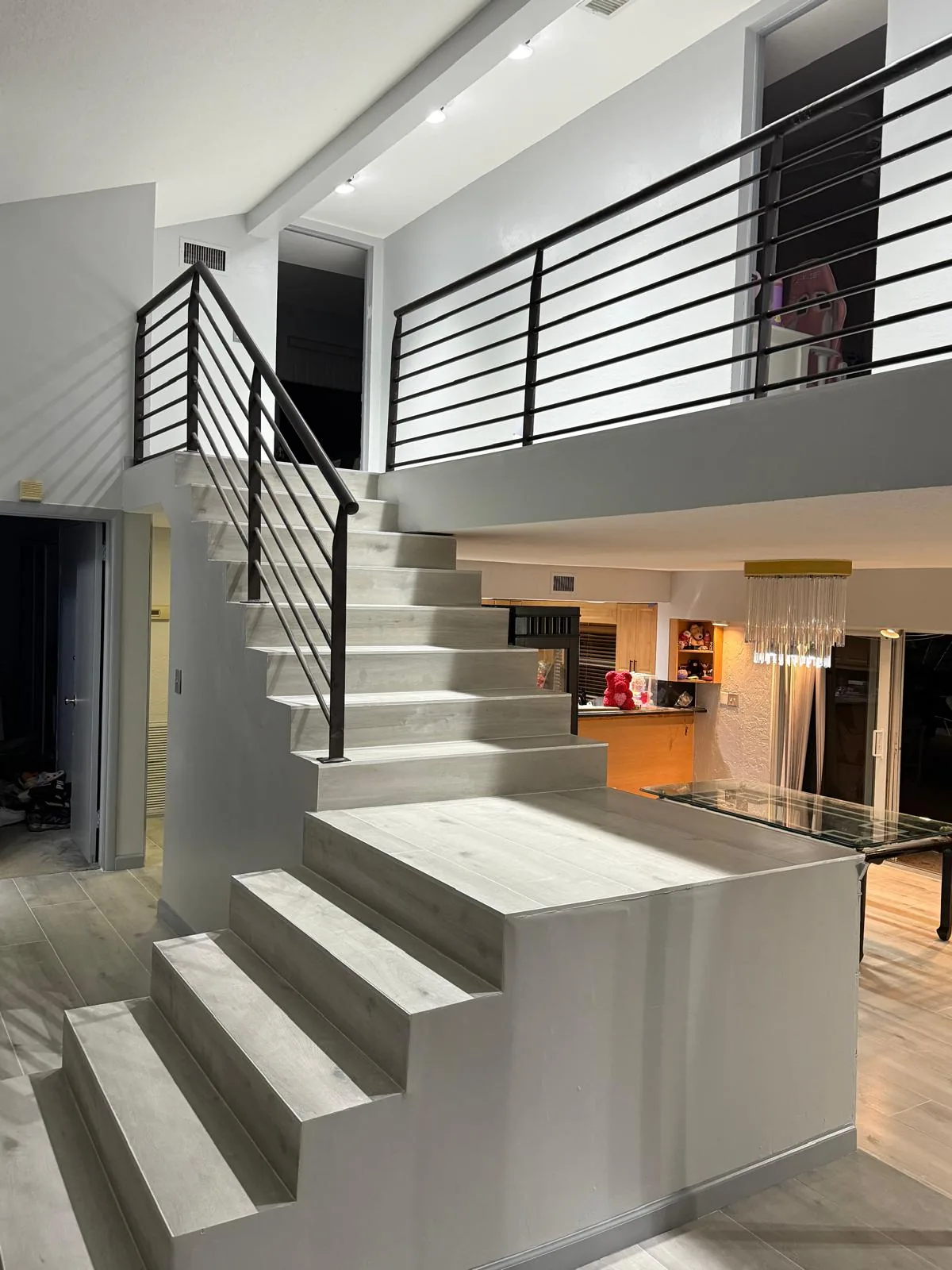
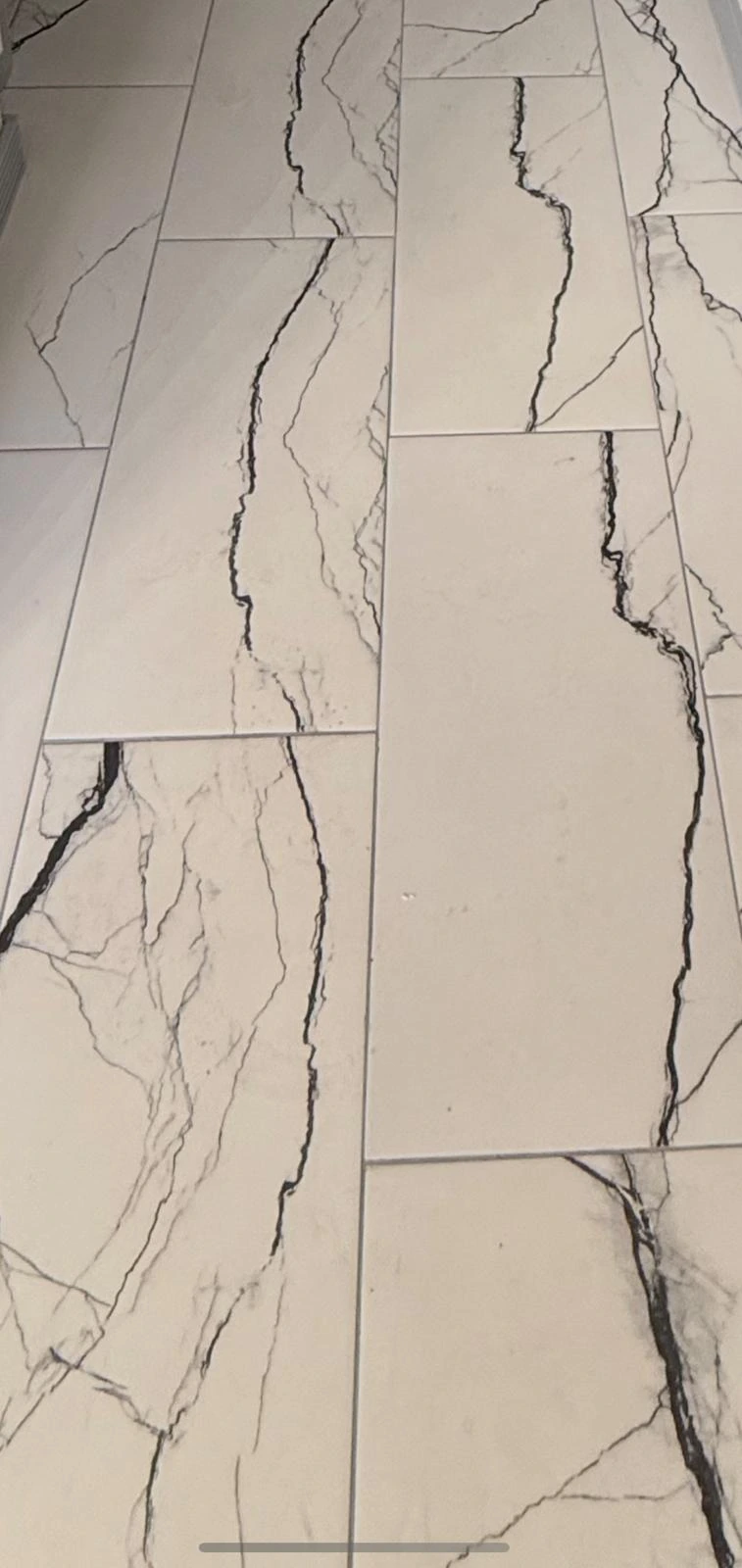
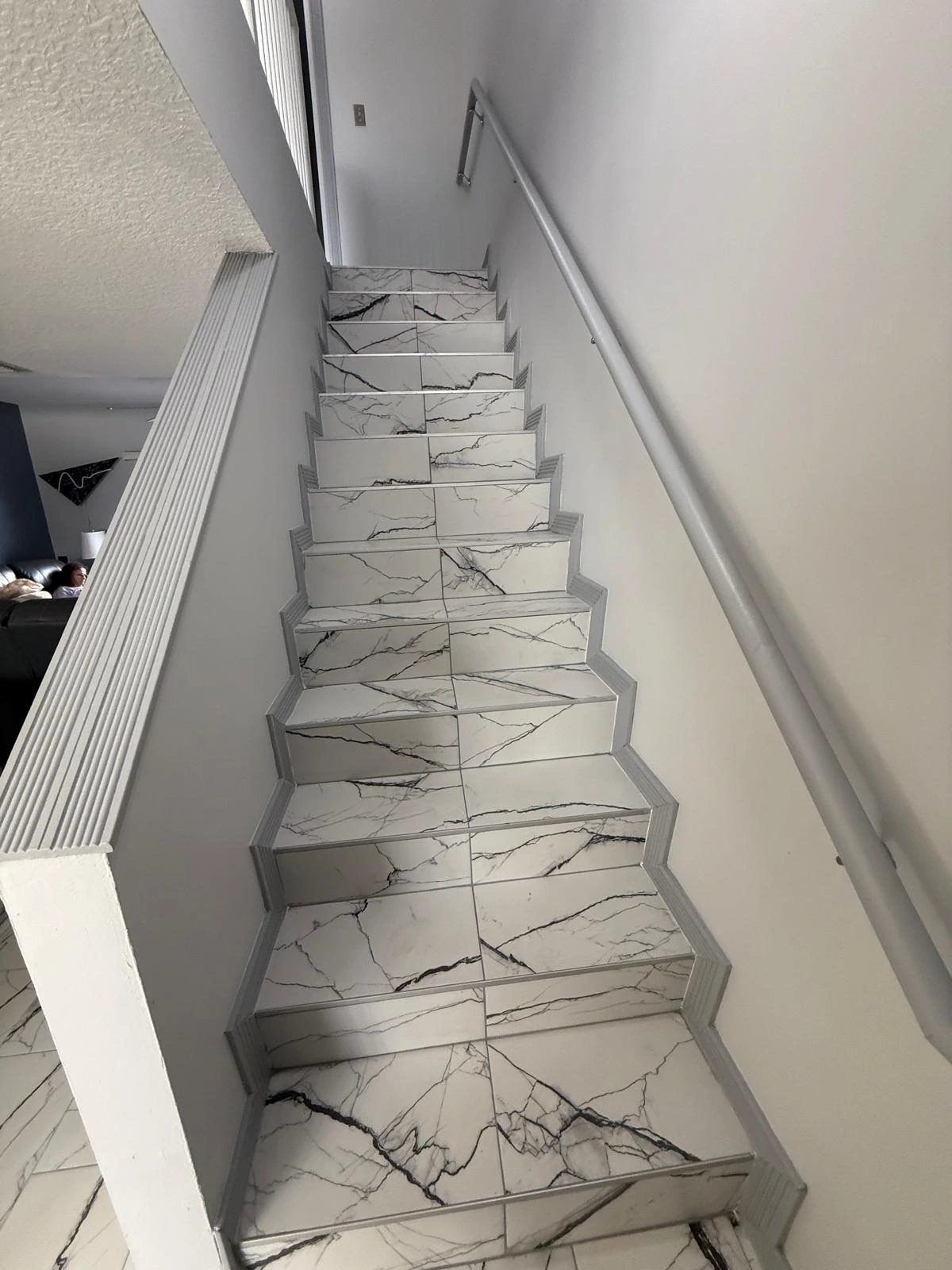
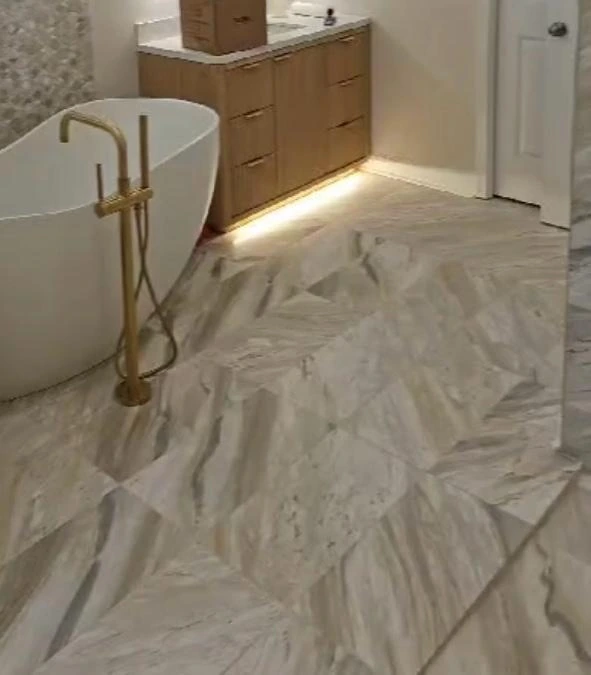
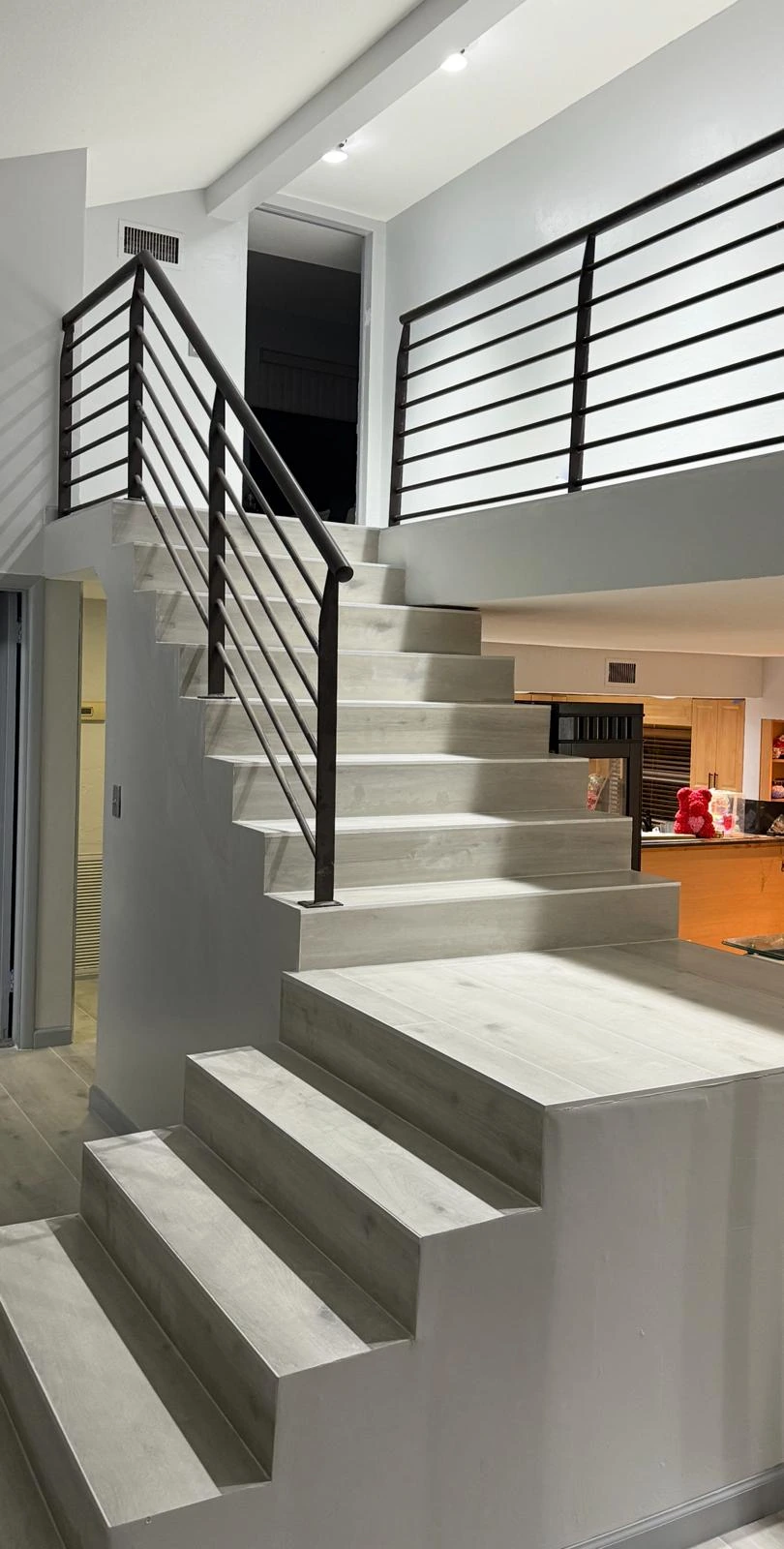
Flooring Upgrades Projects
Real results from our team across Broward County and South Florida.
Ready to Start Your Project?
Get a free, no-obligation estimate for your Fort Lauderdale home.
Flooring Upgrades in Fort Lauderdale — What You Need to Know
Fort Lauderdale permits run through Broward County Development Services at 700 NW 19th Ave, with applications submitted on the LauderBuild online portal. Flooring upgrades that touch the subfloor, change structural elements, or require moisture mitigation can fall into the $250–$2,000+ permit range, depending on scope. We handle drawings, product specs, and moisture control details so the review stays smooth.
Flood zones in the city include AE inland, AO/AH in low-lying areas, and VE along the coastal high-hazard band. If a project crosses the 50% substantial improvement threshold, floodplain rules can trigger added requirements, especially in waterfront neighborhoods like Las Olas Isles where seawall inspections matter. That’s why we favor waterproof systems like porcelain tile, rigid-core SPC, and epoxy grout in wet zones, plus marine-grade underlayment in salt-air corridors near the Intracoastal.
HOA approval is common in Fort Lauderdale condos and townhomes, especially in Flagler Village and along Las Olas Boulevard. We coordinate sound ratings, underlayment specs, and installation hours with the association. In Victoria Park and Rio Vista, preservation overlays can influence finishes and trim details, so we match period-appropriate looks while upgrading performance for modern living.
Flooring Upgrades Questions in Fort Lauderdale
Most Fort Lauderdale projects run $6–$18 per square foot installed, depending on material. A 1,000 sq ft job typically lands between $6,000 and $18,000, with porcelain tile and engineered wood on the higher end.
Simple replacements often don’t, but subfloor repairs, moisture mitigation, or structural changes may require a permit through Development Services at 700 NW 19th Ave or the LauderBuild portal. We confirm scope and handle the paperwork.
Waterproof porcelain tile, SPC/LVP with sealed seams, and epoxy grout perform best. We avoid moisture-sensitive products on slabs near the Intracoastal unless the moisture readings are controlled.
Yes. Those areas may have preservation overlays, so we align finishes, trims, and transitions with period-appropriate styles while upgrading the performance underneath.
Most HOAs require specific sound ratings and underlayment systems. We submit product specs and install per HOA standards to avoid rework or fines.