Remodeling built for Pembroke Pines’ 1990s housing stock
Pembroke Pines sits at a median home value of about $545,000, which makes remodeling more than a cosmetic upgrade—it’s a smart investment in equity. Many homes here were built around 1992, and that era brings predictable issues: original builder‑grade cabinets, dated tile layouts, and mechanicals nearing the end of their service life. In Chapel Trail and Silver Lakes, we see first‑generation kitchens with tight work triangles and soffits that eat storage, while bathrooms still have 12x12 tile and fiberglass tubs that crack under daily use.
This city’s size and family‑oriented housing stock make remodeling a practical way to stay put without leaving school zones or community amenities. Pembroke Falls and Pembroke Isles owners often want open‑concept living and modernized baths, but HOA rules and permit requirements in Broward County add layers to the plan. Primer Star Corp has handled residential remodeling across western Broward, guiding homeowners through reviews, inspections, and material choices that perform in humid, storm‑prone conditions. Call or WhatsApp (754) 326-7976 to plan a scope that fits your home and your neighborhood standards.
Why Pembroke Pines Homeowners Choose Us
Permit-ready plans for Pembroke Pines
We build scopes that match Broward County requirements and prepare permit packages for the Pembroke Pines Building Department at 601 City Center Way, where permit fees typically run $200–$1,500.
Flood‑zone aware remodeling
Western communities near the Everglades often sit in FEMA AE zones. We factor elevation, drainage, and substantial‑improvement rules into design so projects stay compliant.
HOA review experience
HOA‑heavy neighborhoods like Pembroke Falls and Town Gate require architectural review, and we deliver submittal packages with finish schedules and scope drawings that pass review.
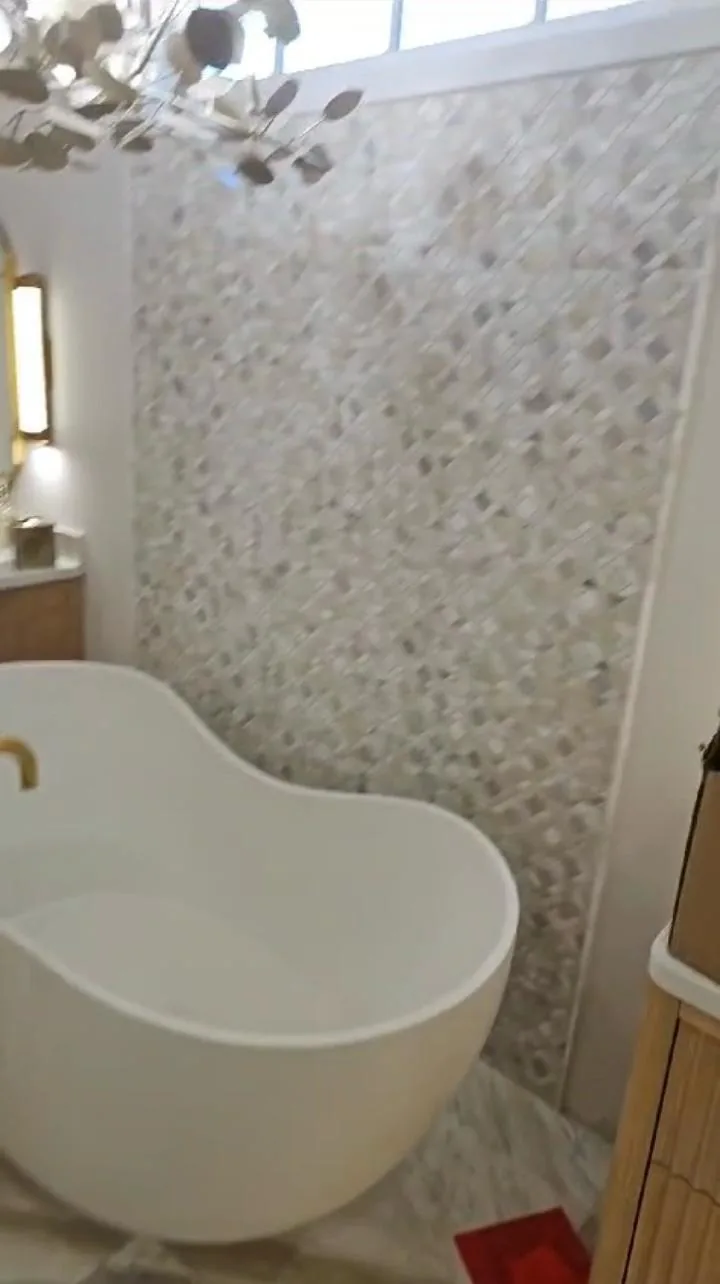
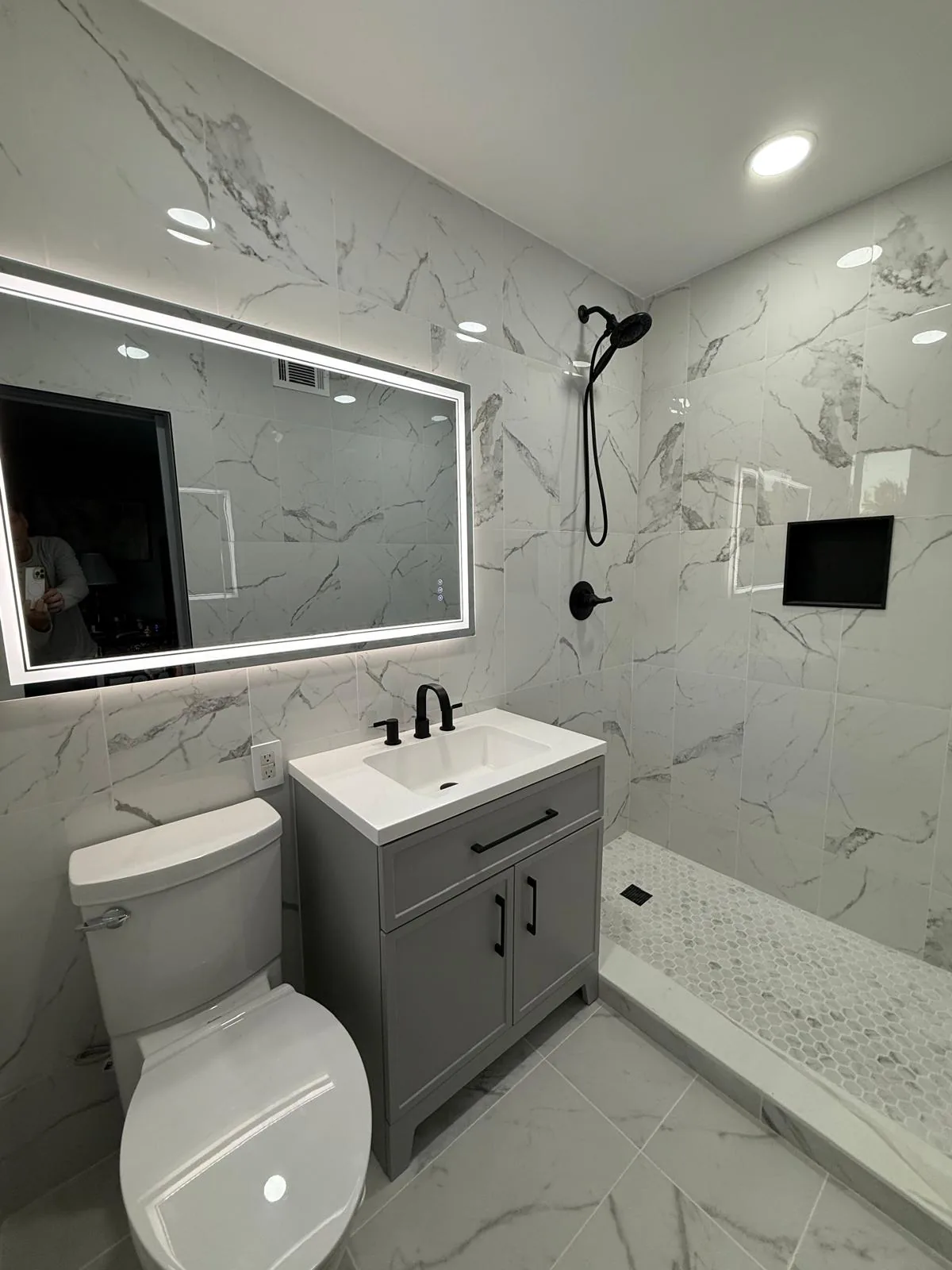
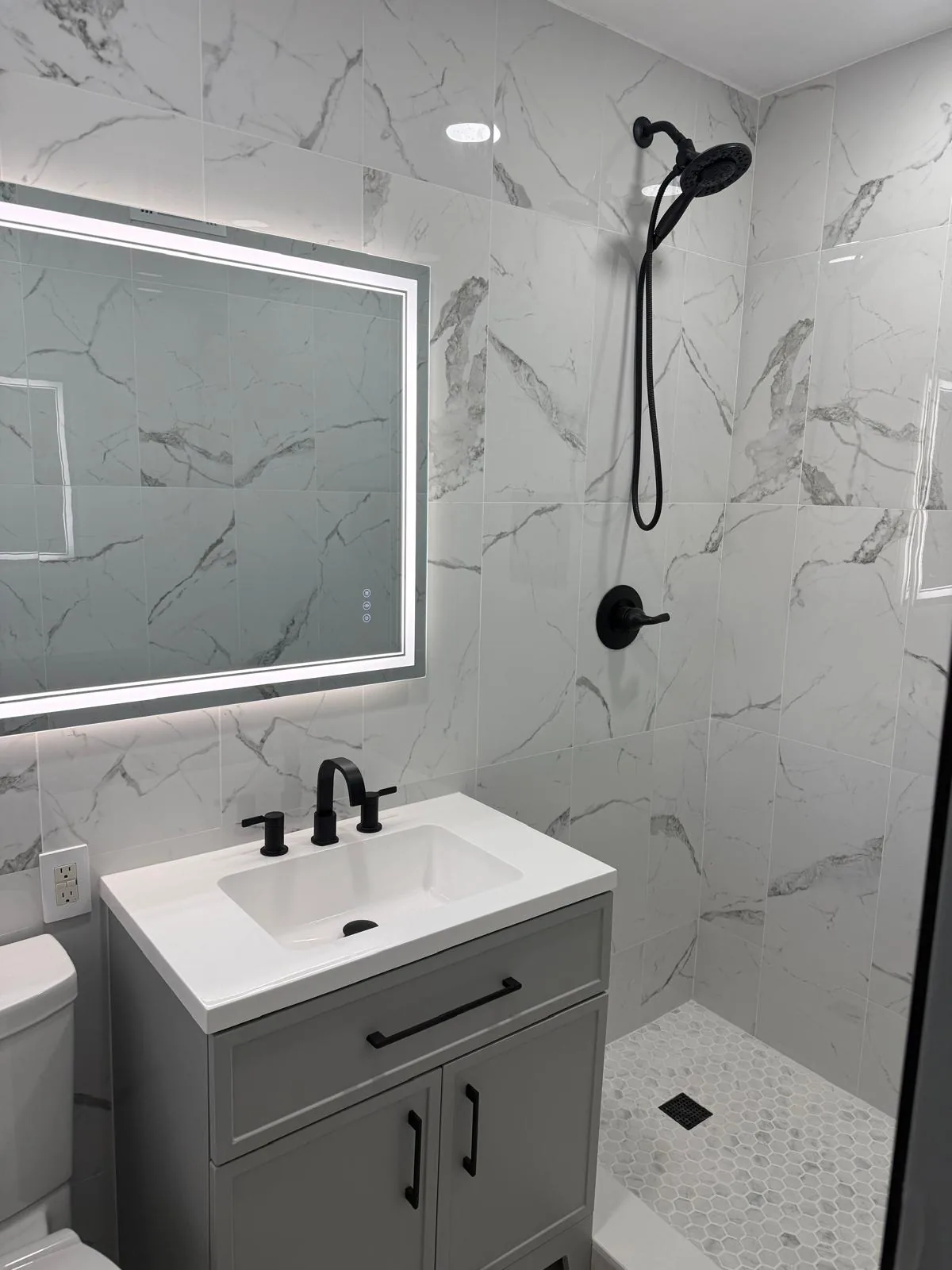
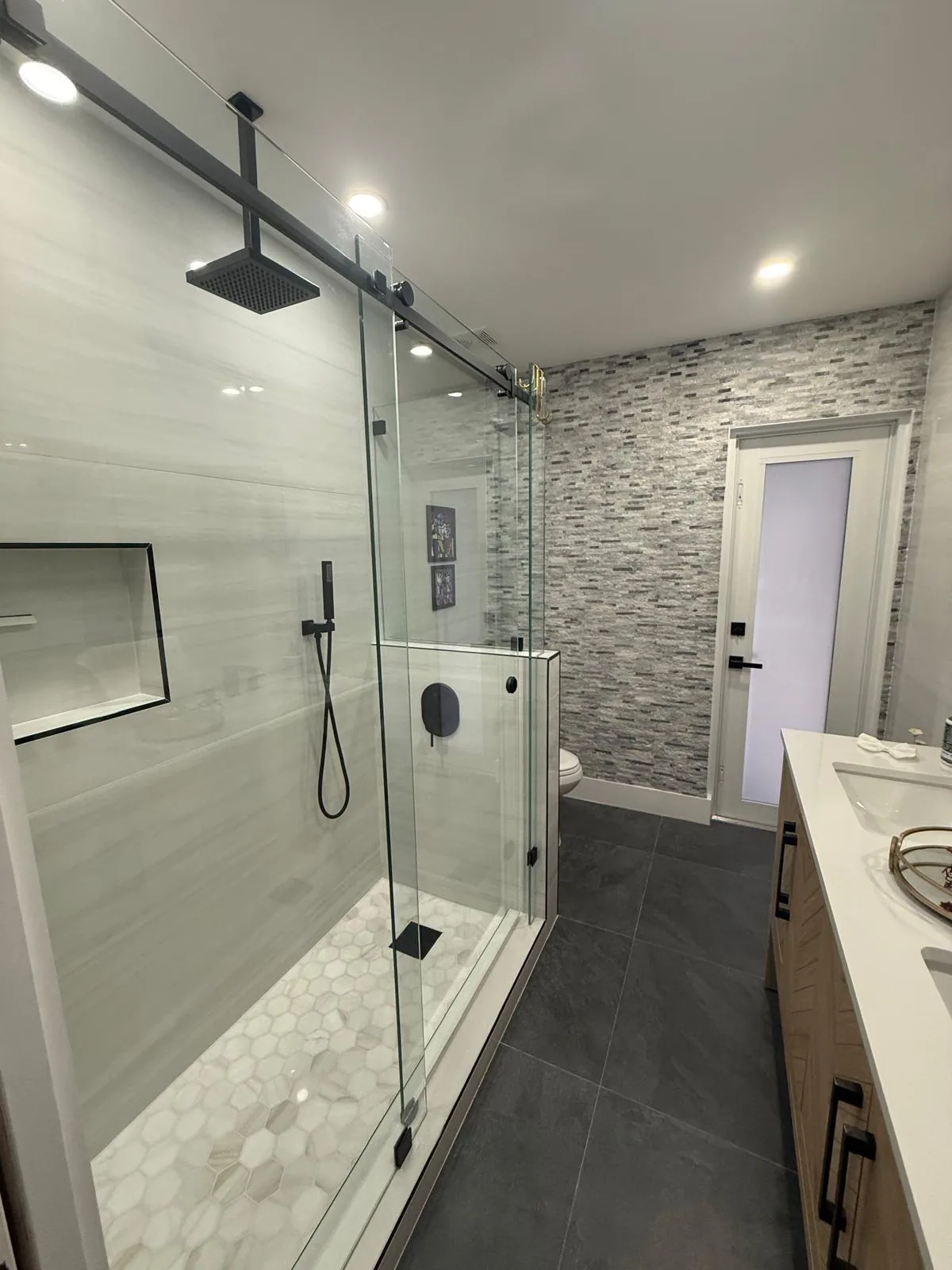
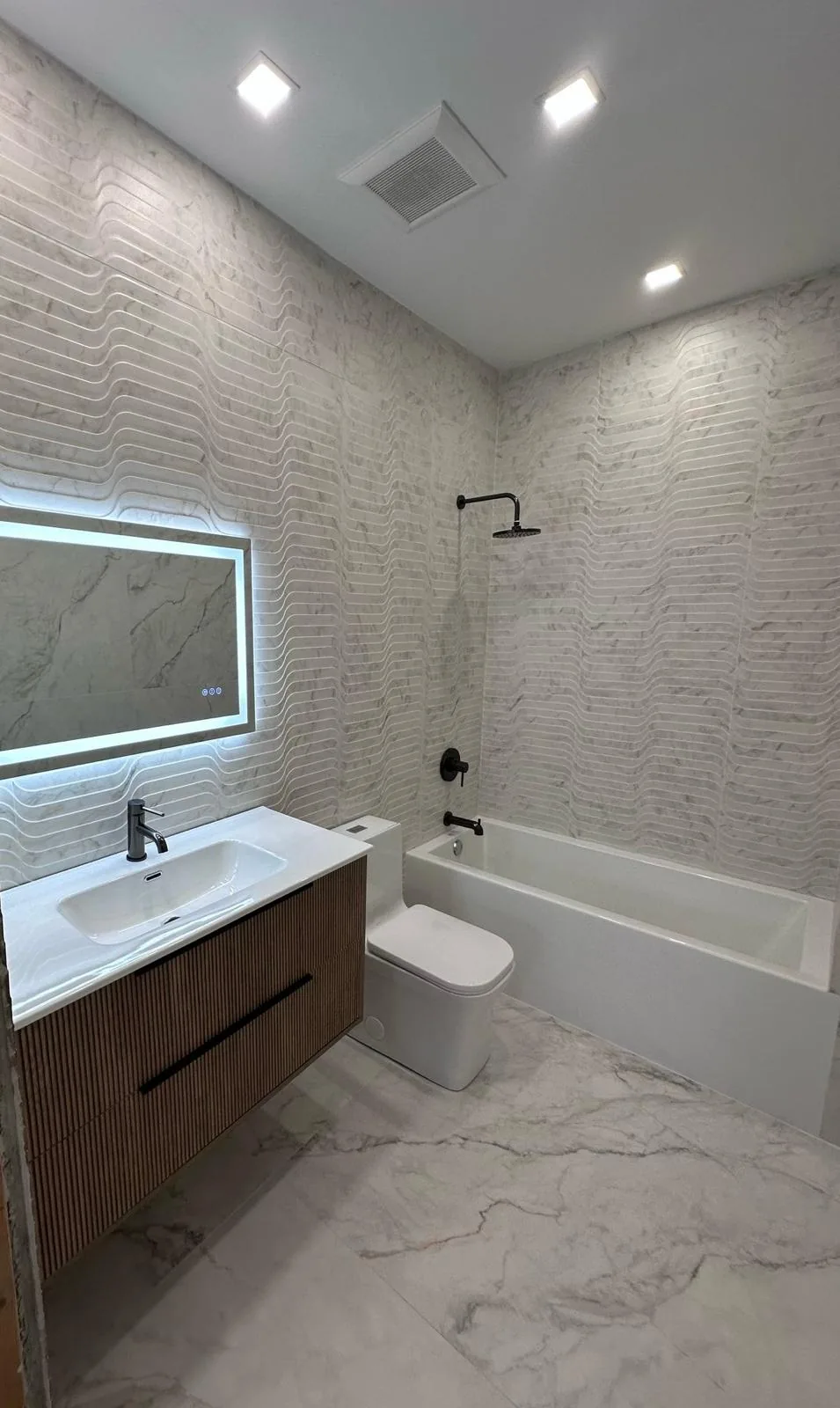
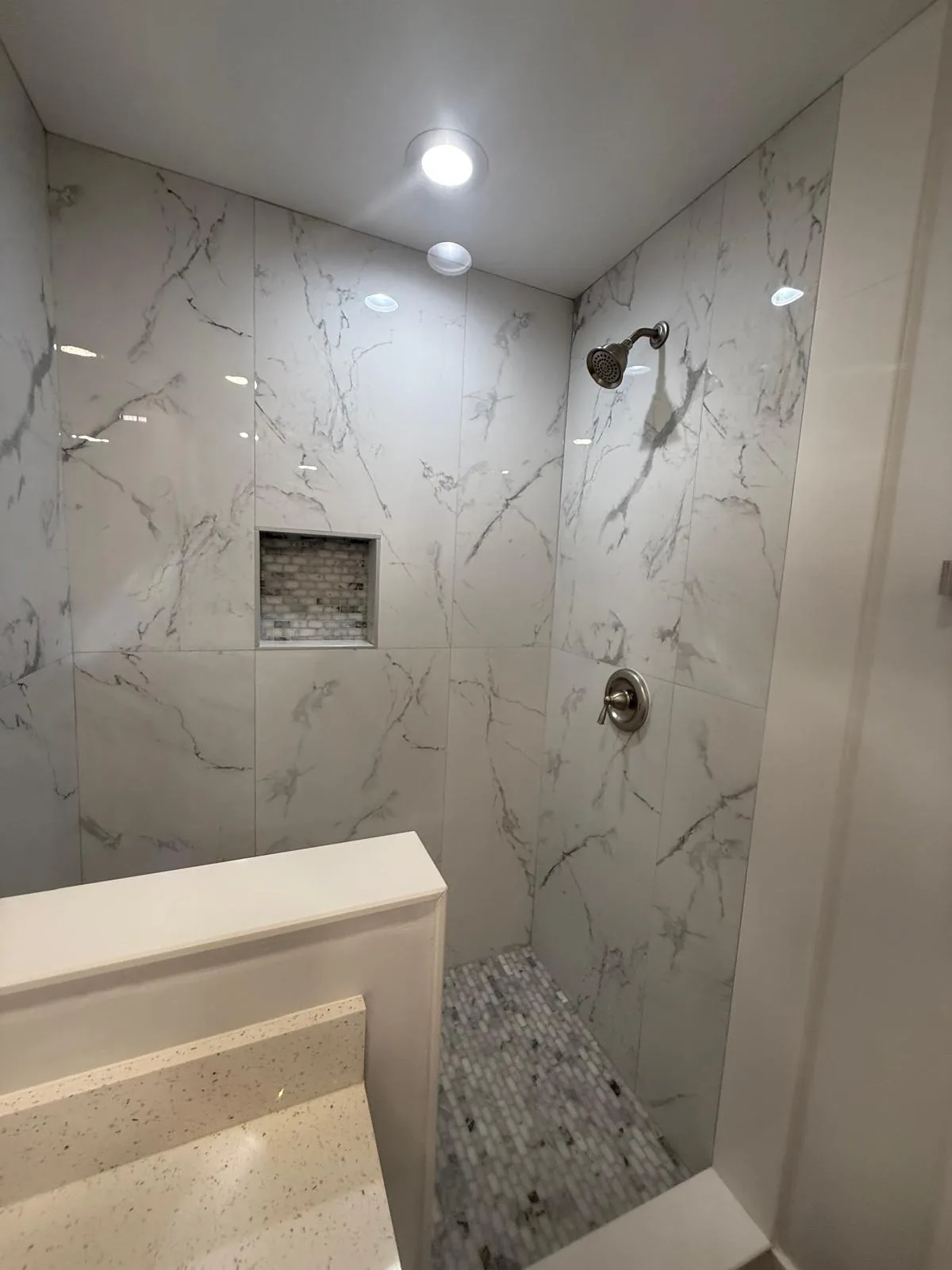
Residential Remodeling Projects
Real results from our team across Broward County and South Florida.
Ready to Start Your Project?
Get a free, no-obligation estimate for your Pembroke Pines home.
Residential Remodeling in Pembroke Pines — What You Need to Know
Pembroke Pines permits go through the Building Department at 601 City Center Way, and residential remodeling permits typically fall in the $200–$1,500 range depending on scope. We handle permit preparation and inspections, which keeps timelines predictable and prevents stop‑work issues. Many communities require HOA approval before permits are pulled, so we align the HOA submittal with the city’s requirements to avoid duplicate revisions.
FEMA updated flood maps in July 2024, and western parts of the city—especially near the Everglades—carry AE zone designations. If a project’s cost triggers the substantial‑improvement threshold, the 50% rule can apply, which affects how deep a remodel can go without elevation or other mitigation. Drainage and water‑table issues are real in Chapel Trail, so we specify moisture‑resistant assemblies: cement board with waterproof membranes, epoxy grout, and mold‑resistant drywall. Humidity and wind‑driven rain also demand exterior‑rated doors, sealed window openings, and proper ventilation in baths and laundry rooms. Primer Star Corp builds for these local conditions and keeps work aligned with HOA rules and Broward County inspections from start to finish.
Residential Remodeling Questions in Pembroke Pines
Most kitchens run $35,000–$90,000, bathrooms $12,000–$30,000, and full‑home interior remodels $80,000–$200,000 depending on finishes, layout changes, and permit scope.
Yes for most structural, electrical, plumbing, or layout changes. The Pembroke Pines Building Department at 601 City Center Way processes permits, and fees commonly range $200–$1,500.
We use mold‑resistant drywall, cement backer board, waterproof membranes, epoxy grout, and high‑capacity ventilation to handle humidity and reduce moisture damage.
HOAs usually require architectural review with finish selections and scope drawings. We prepare those packages early so approvals don’t delay the city permit.
Often yes, but many 1992‑era homes have load‑bearing walls in the main living area. We review framing, attic access, and plan for inspections before finalizing the layout.