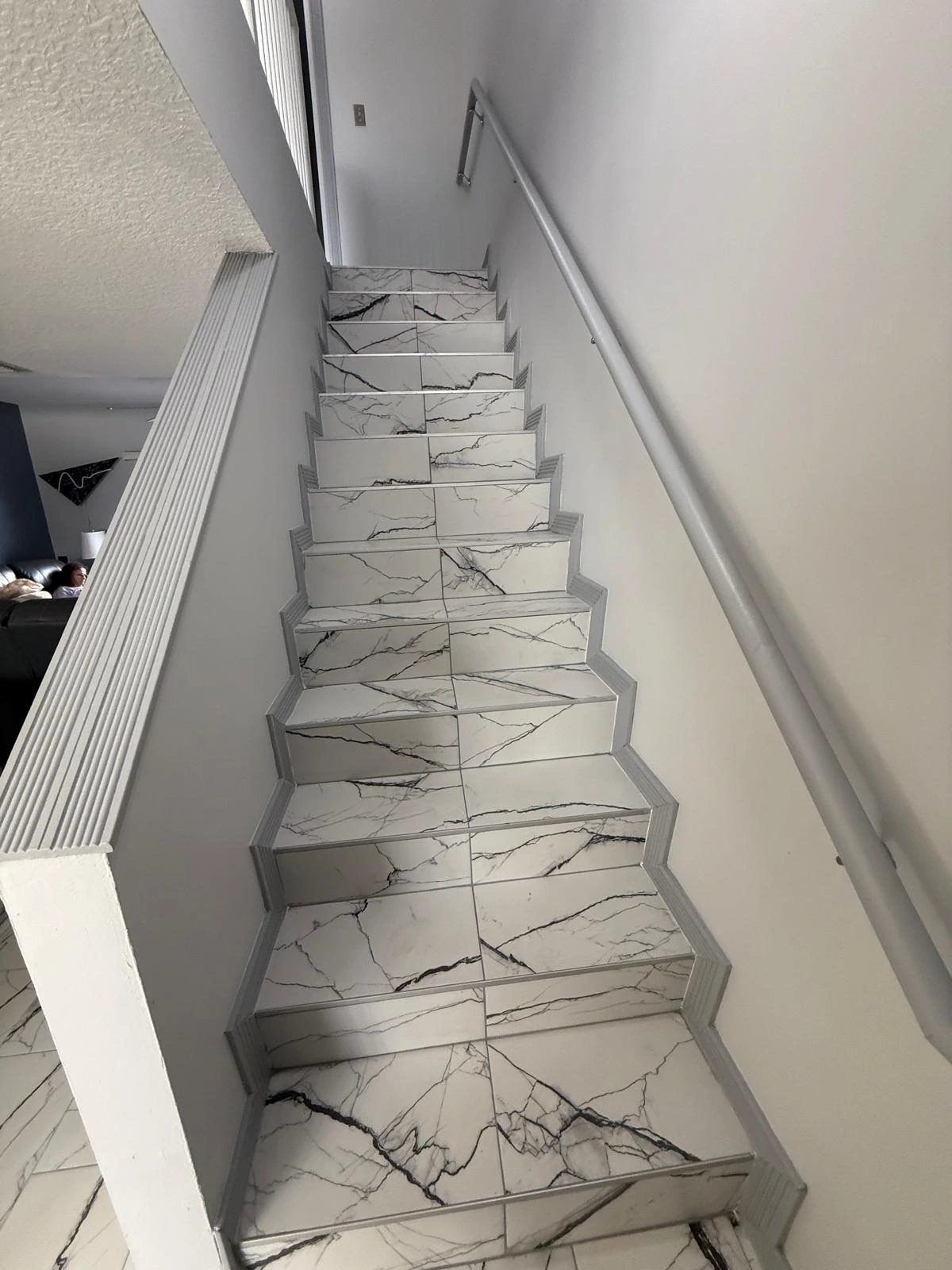
Tile installation built for Delray Beach’s coastal homes
Delray Beach homeowners protect serious property value, with median homes running roughly $357,000–$600,000. That range makes tile a smart investment, especially in areas like Pineapple Grove and Seagate where upscale finishes are part of the neighborhood standard. Primer Star Corp installs tile that looks right for Atlantic Avenue’s polished vibe and holds up to South Florida’s humidity and salt air.
The median year built is 1983, so a lot of homes have original subfloors, outdated adhesives, and settlement cracks that telegraph through new tile if prep is rushed. Lake Ida properties getting major upgrades often reveal surprises once the old flooring comes out, and Tropic Isle canal homes need extra attention to moisture migration. Our crews handle proper underlayment, crack isolation, and slope correction so the tile lasts.
Tile matters here because Delray Beach sees sand, stormwater, and year-round humidity. From a cool porcelain floor in Kings Point to a marble foyer in a Seagate renovation, we match materials to the home and to the local climate. Primer Star Corp has worked Palm Beach County homes for years, and we keep every install aligned with local permit requirements and HOA standards.
Why Delray Beach Homeowners Choose Us
Palm Beach County permit know-how
Projects over $5,000 need a Notice of Commencement, and permits run about $200–$2,000 through the Development Services Building Division on NW 1st Ave. We keep filings clean and inspections on schedule.
Built for humidity and salt air
Delray Beach’s coastal climate demands moisture‑resistant thinset, sealed grout, and proper movement joints, especially east of I‑95 and in Tropic Isle canal homes.
Neighborhood-specific execution
From Del Ida Park’s historic restrictions to Kings Point’s HOA rules, tile selections and work hours have to match local requirements.
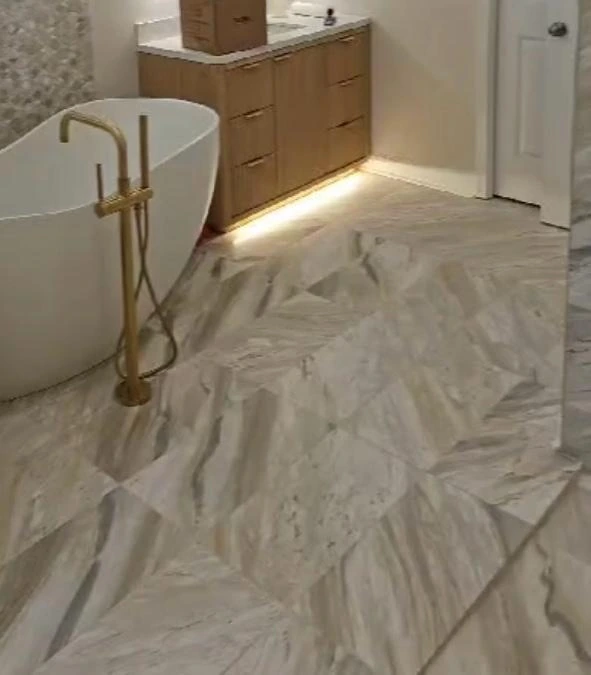
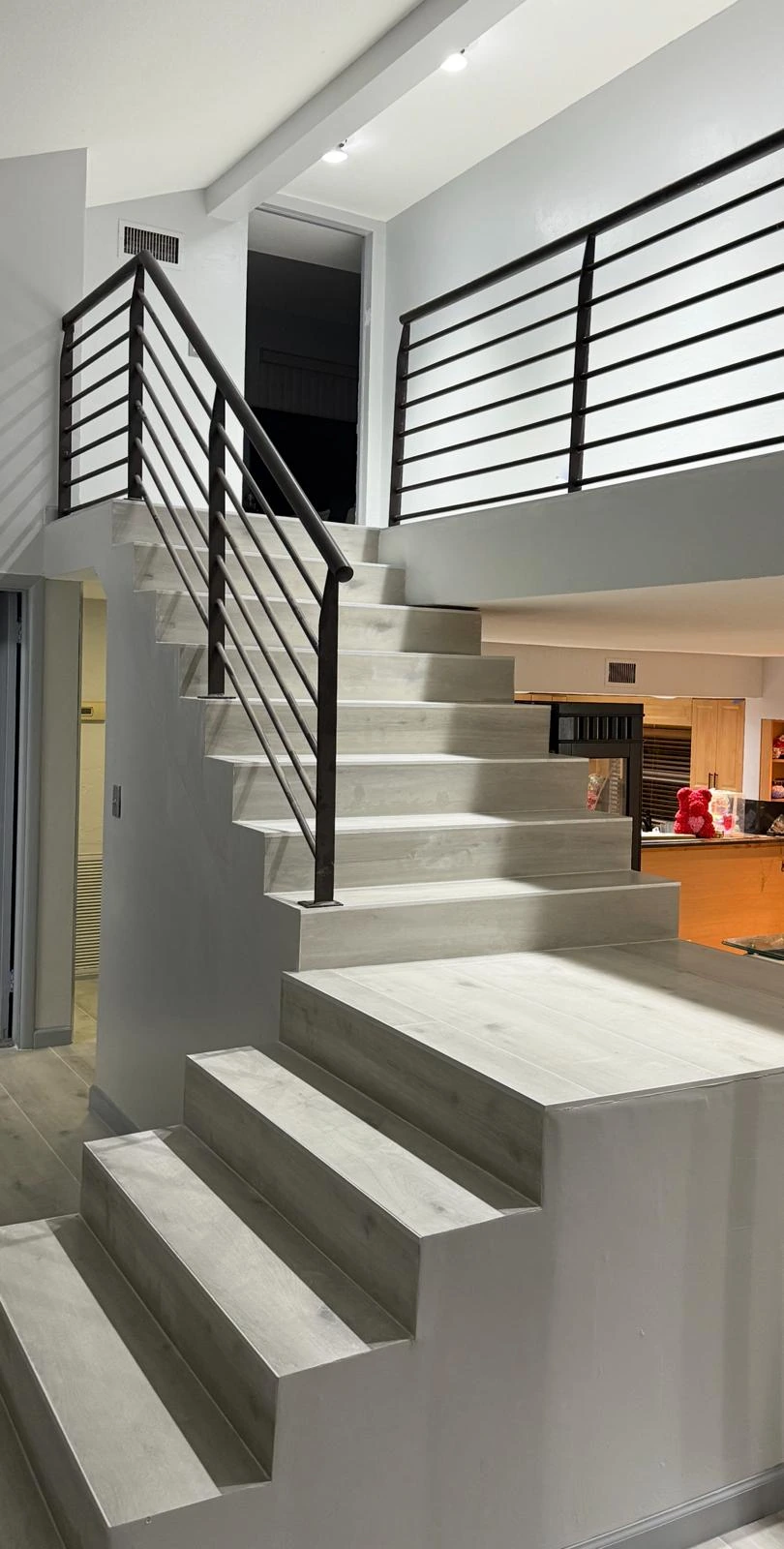
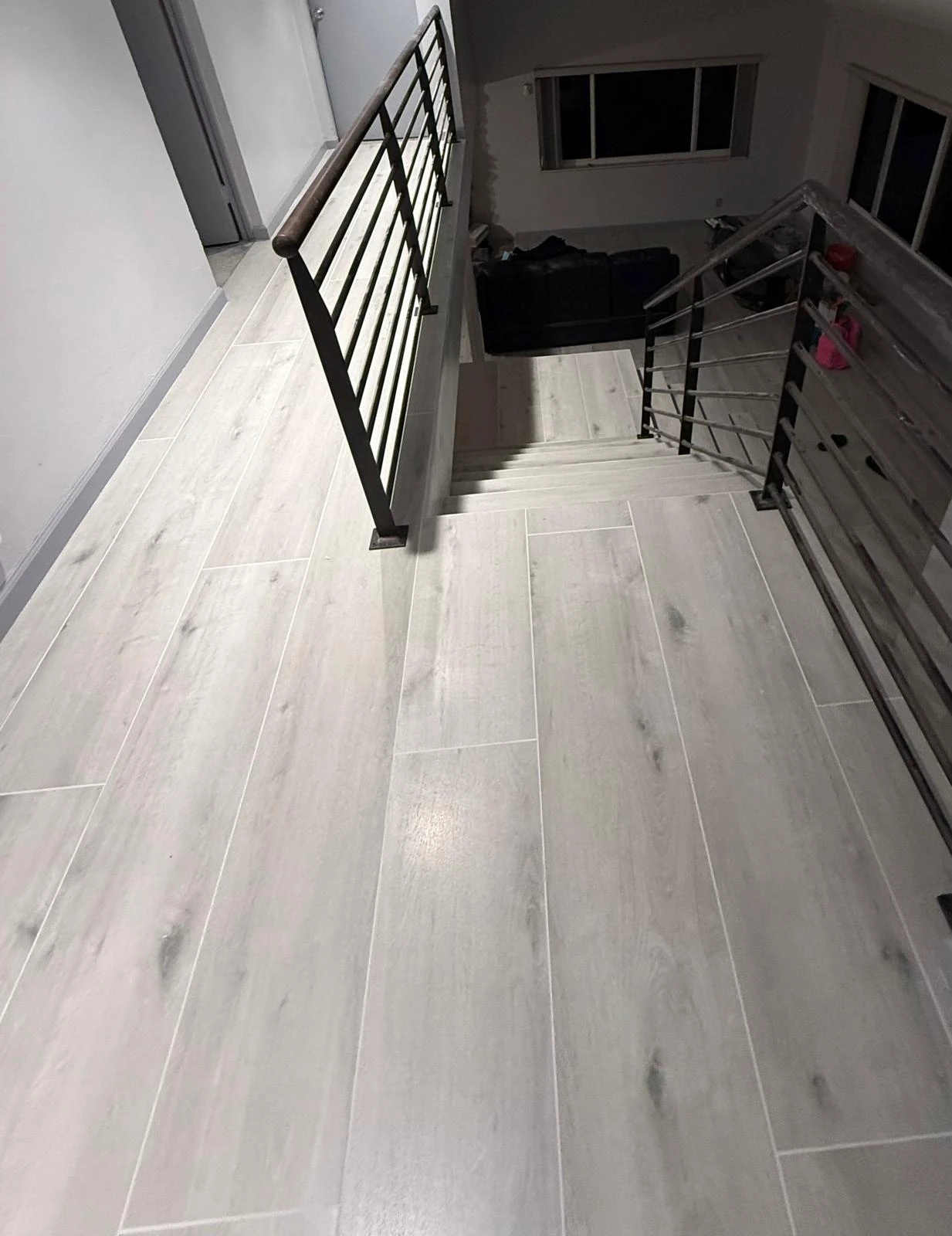
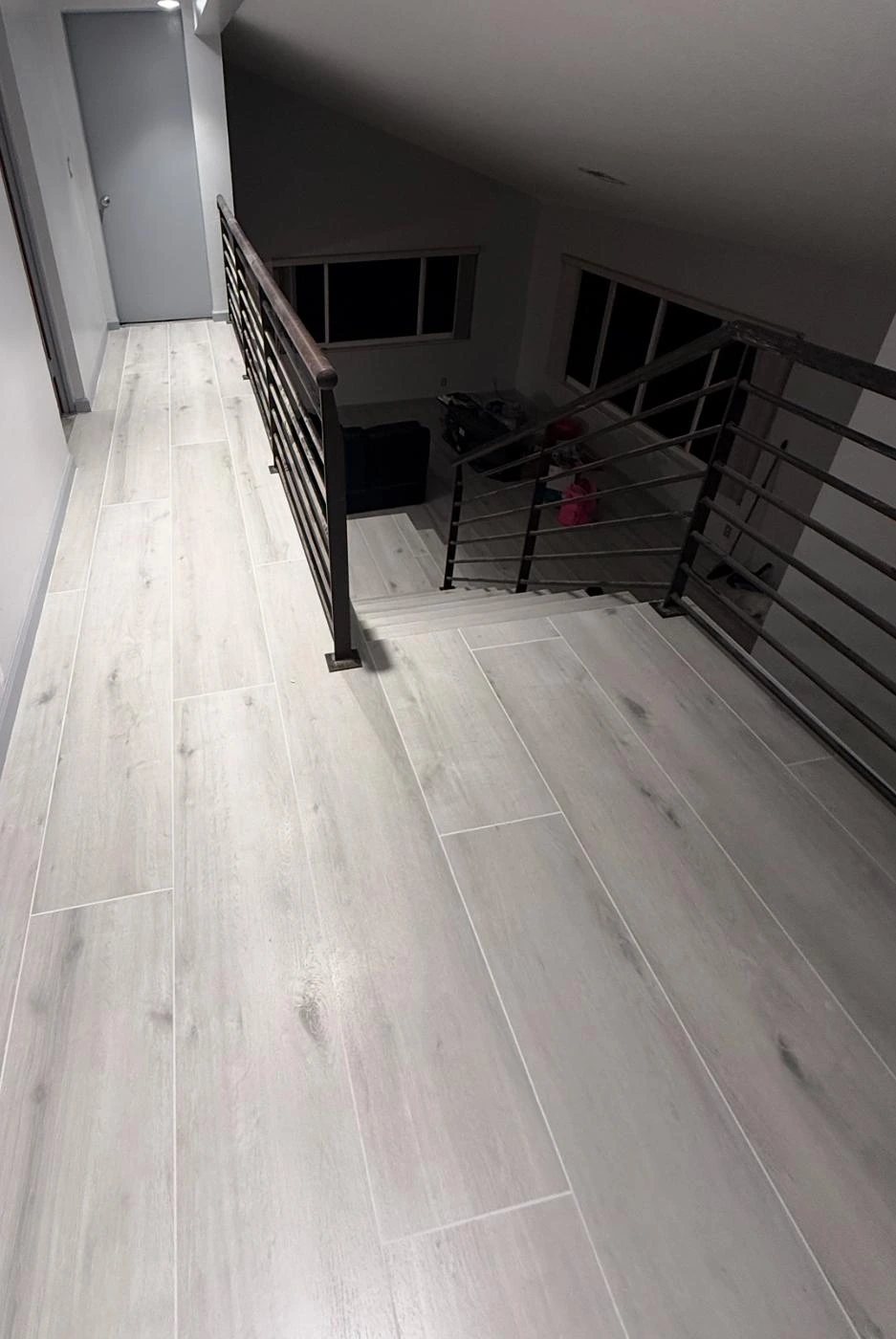
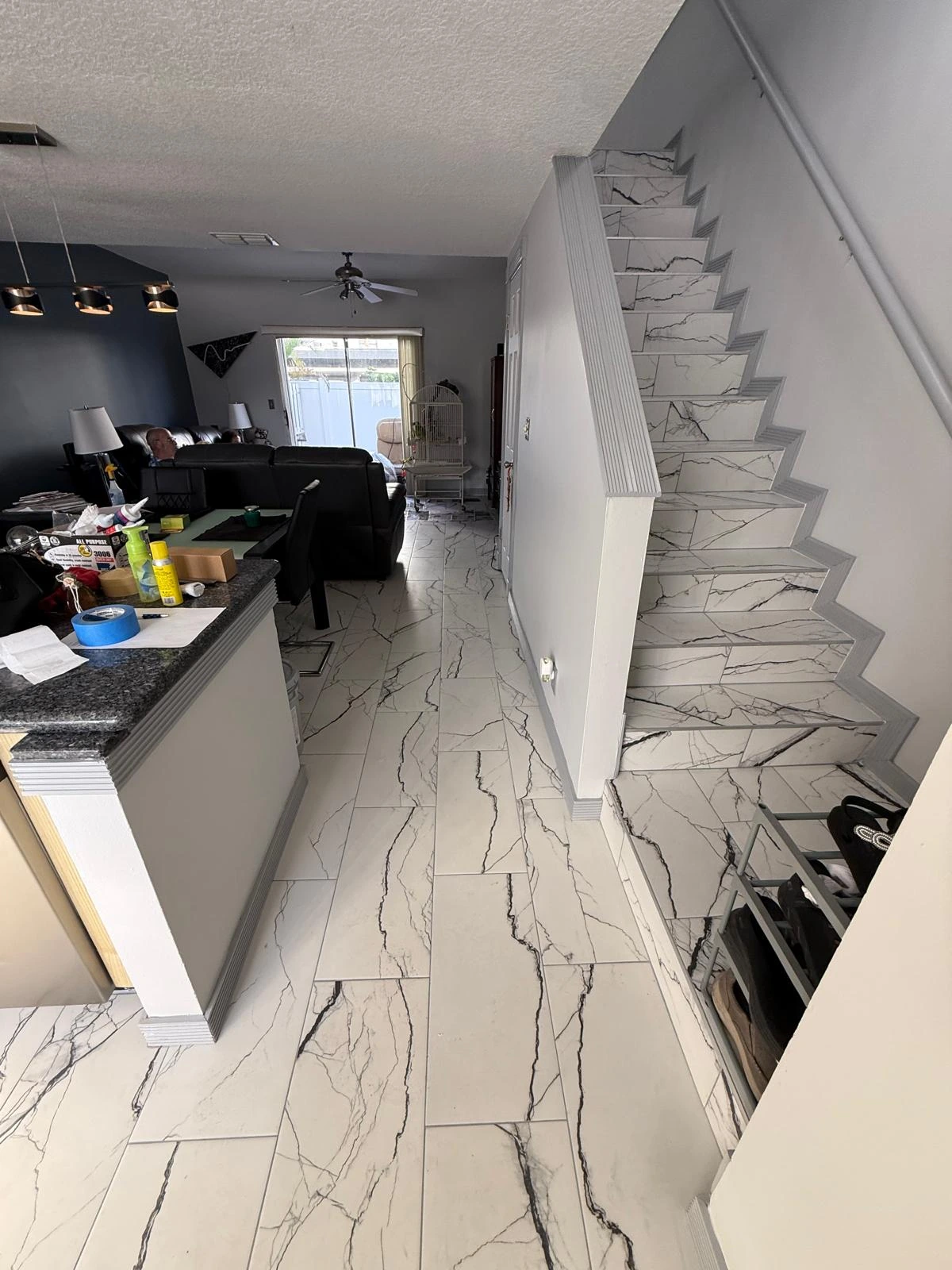
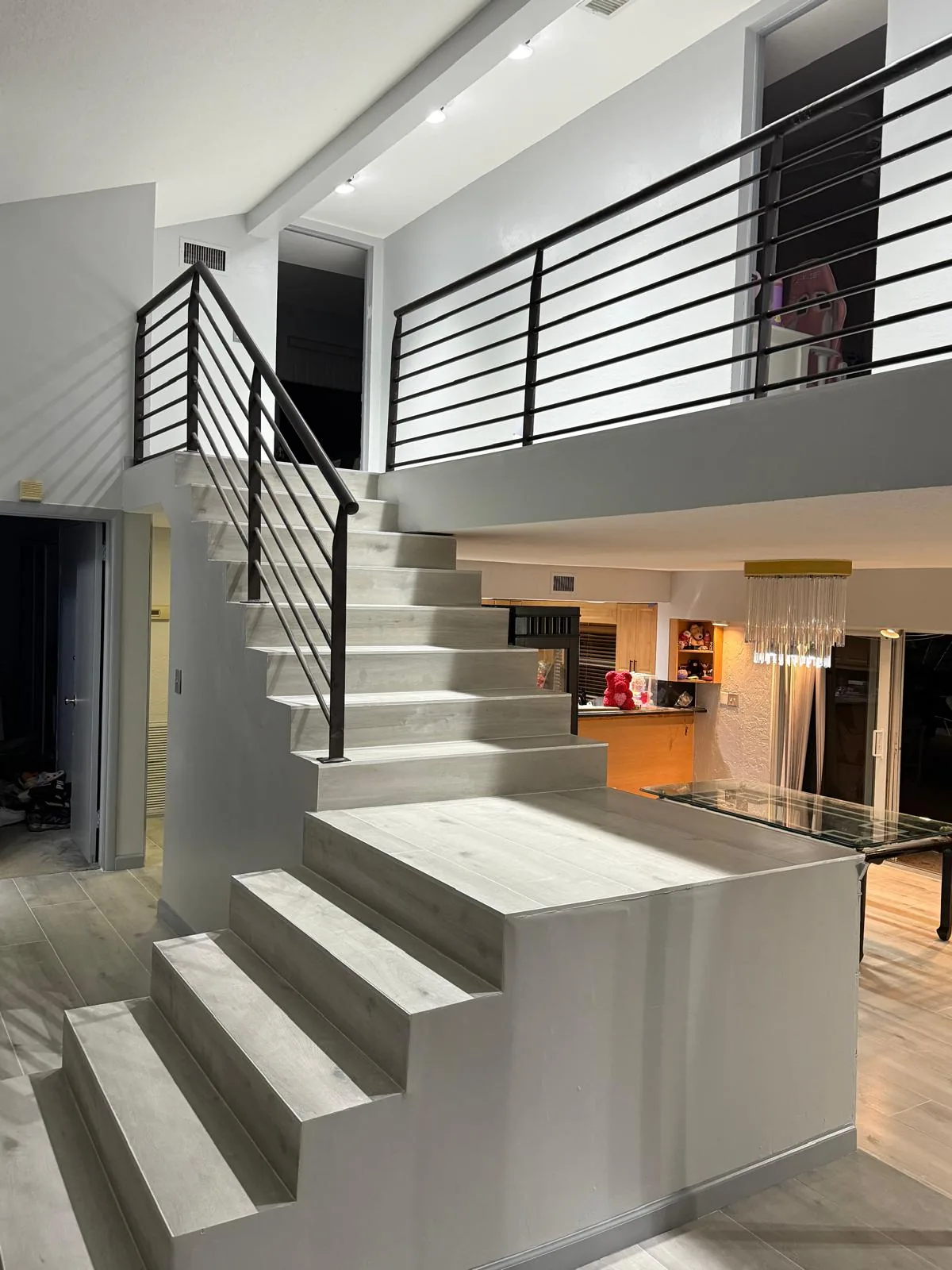
Tile Installation Projects
Real results from our team across Palm Beach County and South Florida.
Ready to Start Your Project?
Get a free, no-obligation estimate for your Delray Beach home.
Tile Installation in Delray Beach — What You Need to Know
Palm Beach County permits for tile work typically cost $200–$2,000 depending on scope and valuation. Applications go through the Development Services Building Division at 100 NW 1st Ave or the eServices portal. For jobs exceeding $5,000, a Notice of Commencement is required, and we coordinate that so inspections aren’t delayed.
Delray Beach has FEMA flood zones AE and X, with the highest risk east of I‑95 and updated mapping as of December 2024. If a project qualifies as a substantial improvement—more than 50% of the market value—additional flood compliance can kick in, so we review that early in the process. Salt air and constant humidity push us toward porcelain, epoxy grout in wet zones, and corrosion‑resistant trims, especially in Seagate and Tropic Isle.
HOA requirements are common in Kings Point and in some Lake Ida enclaves, and they can be strict about delivery windows, noise, and floor finishes. Historic limitations can also apply in Del Ida Park where 1920s–1930s homes require preservation‑minded choices. Primer Star Corp plans around these local hurdles to keep your tile installation on track and aligned with Delray Beach standards.
Tile Installation Questions in Delray Beach
Most Delray Beach tile installations run $12–$28 per sq ft installed, with higher-end materials or complex patterns reaching $35 per sq ft. Bathroom floors commonly land between $1,800–$4,500 depending on prep and tile selection.
For standard flooring replacement, permits are often not required, but structural subfloor repairs or extensive bathroom remodels may need one. Projects over $5,000 require a Notice of Commencement, filed with Palm Beach County.
Porcelain with low water absorption performs best in humidity and salt air. We also recommend epoxy grout in wet zones and corrosion‑resistant trims for coastal homes.
Yes. Kings Point has clear rules on work hours, debris removal, and material staging. We coordinate access and follow HOA requirements to avoid fines or delays.
Historic homes may have guidelines on original features and flooring changes. We review local requirements before starting and choose materials that respect the home’s era.