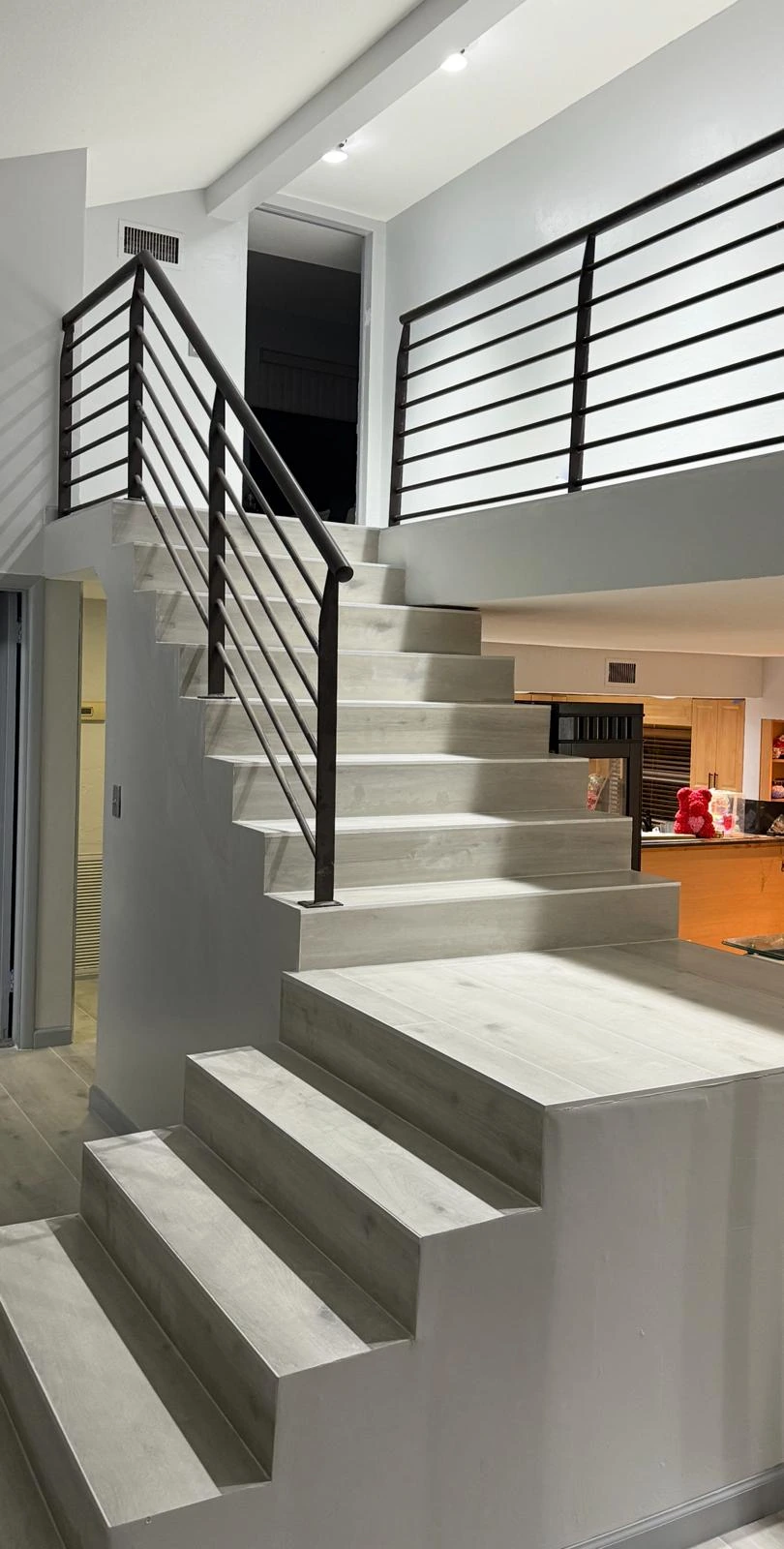
Tile work tailored to Fort Lauderdale’s coastal homes
Fort Lauderdale’s median home value sits around $503,000–$657,500, so tile upgrades are not just cosmetic—they protect a major investment. Many homes here were built around 1972, and we regularly find outdated subfloors, moisture damage, and uneven slabs that need proper prep before tile can last. In Victoria Park and Rio Vista, older floor systems and historic details require careful layout and transitions, not generic big-box installs.
Tile matters here because the Venice of America lifestyle means humidity, salt air, and wet traffic from boats and pools. In Las Olas Isles and along the canals, the right thinset, grout, and waterproofing keep floors stable despite daily moisture swings. Flagler Village condos and Tarpon River renovations often need quick turnarounds without cutting corners on leveling or sound control.
Primer Star Corp is based in Broward County and works Fort Lauderdale jobs weekly, from waterfront estates to mid-century ranches. We handle surface prep, moisture barriers, and precision layouts that match local styles and long-term performance. If you want tile that looks right and holds up to South Florida conditions, call or WhatsApp to get it scoped properly.
Why Fort Lauderdale Homeowners Choose Us
Permits handled through LauderBuild
Broward County permit fees typically run $250–$2,000+, and Fort Lauderdale requires submissions via Development Services at 700 NW 19th Ave or the LauderBuild portal. We prep the documentation so inspections stay on schedule.
Flood zone awareness for tile work
Much of Fort Lauderdale sits in AE, AO/AH, or VE zones, so moisture protection and floor build-ups must align with floodplain rules. We plan assemblies that reduce water intrusion risk in SFHA areas.
Neighborhood-specific detailing
From the historic lines of Rio Vista to the modern layouts in Flagler Village, we match grout lines, transitions, and materials to each home’s era and HOA expectations.
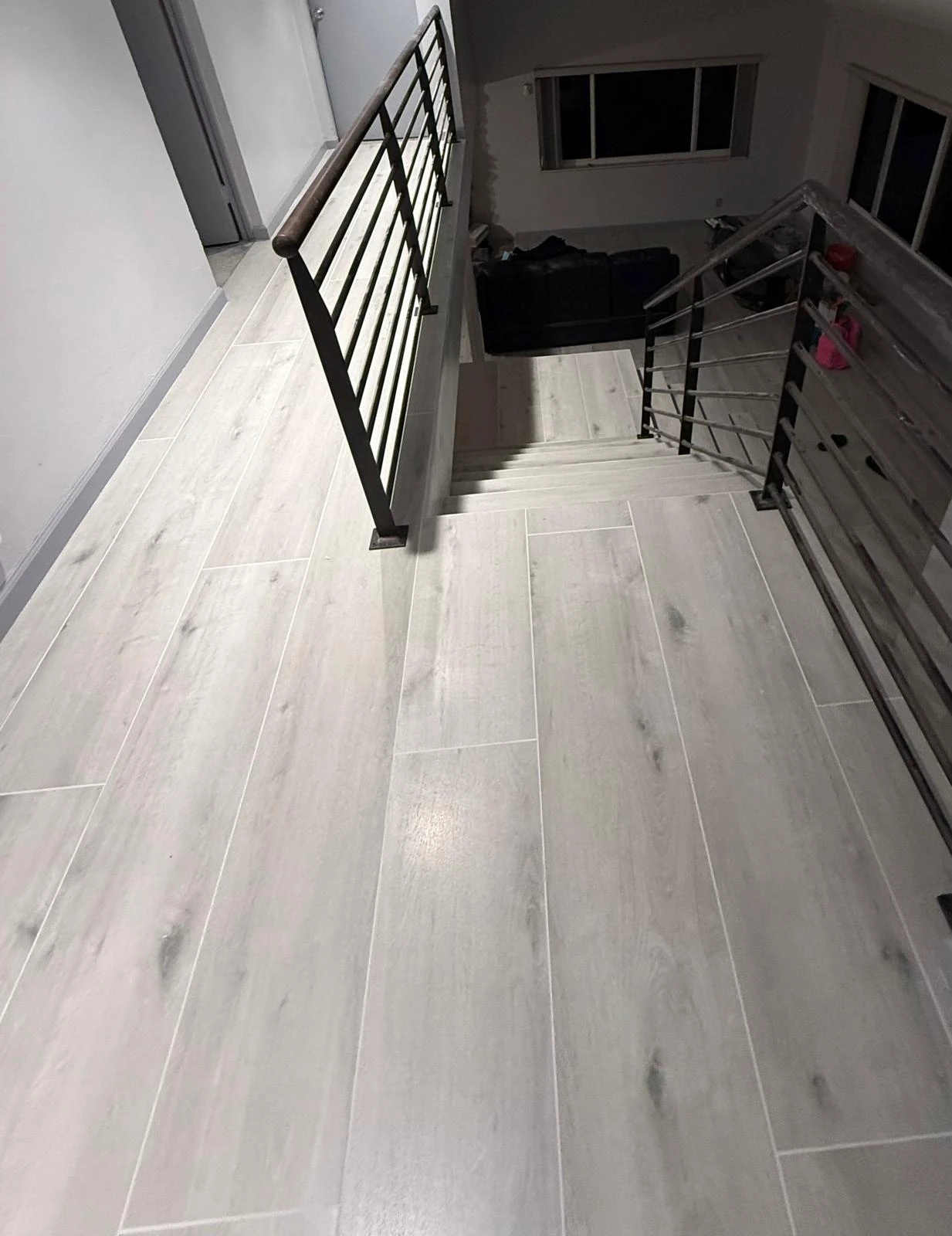
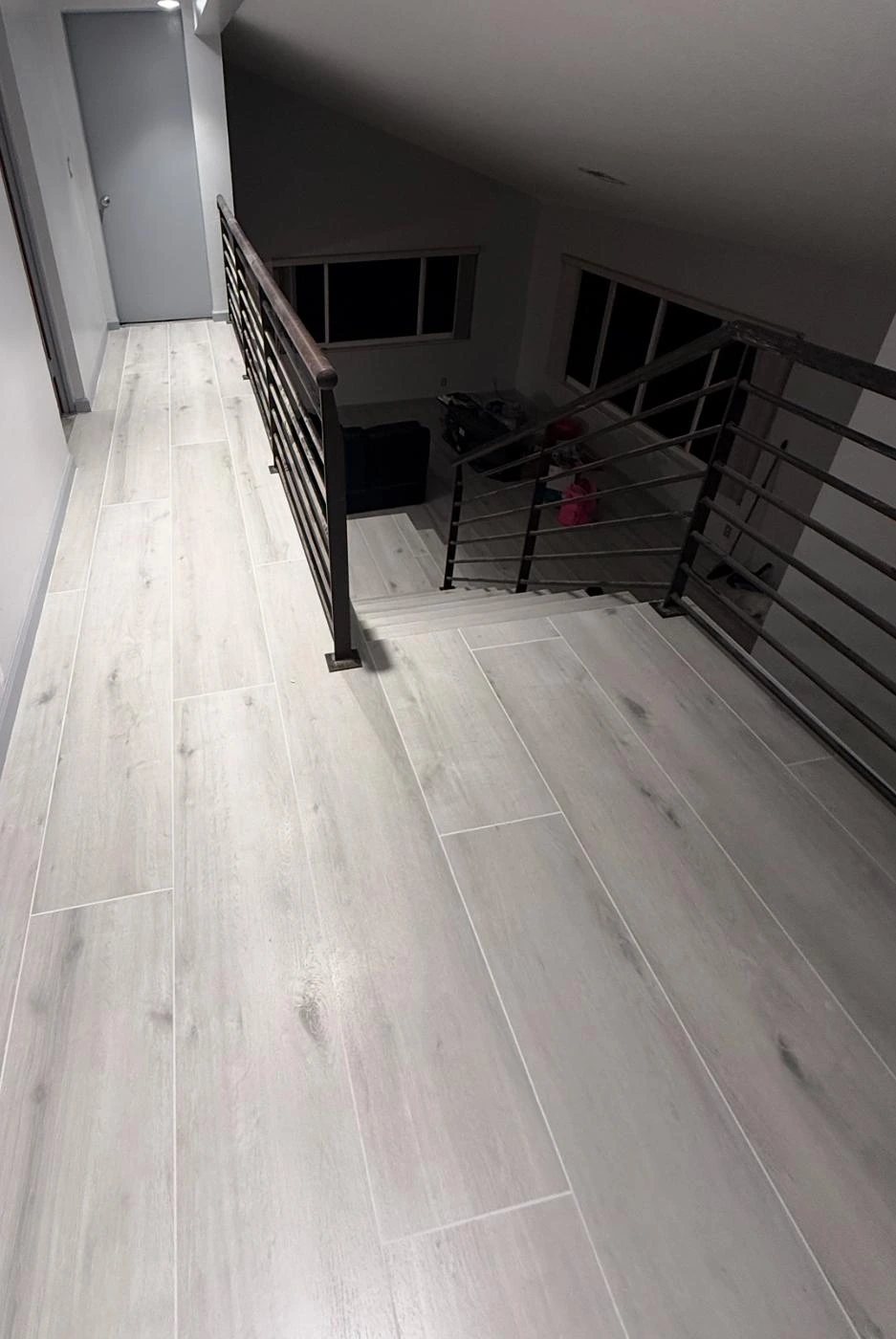
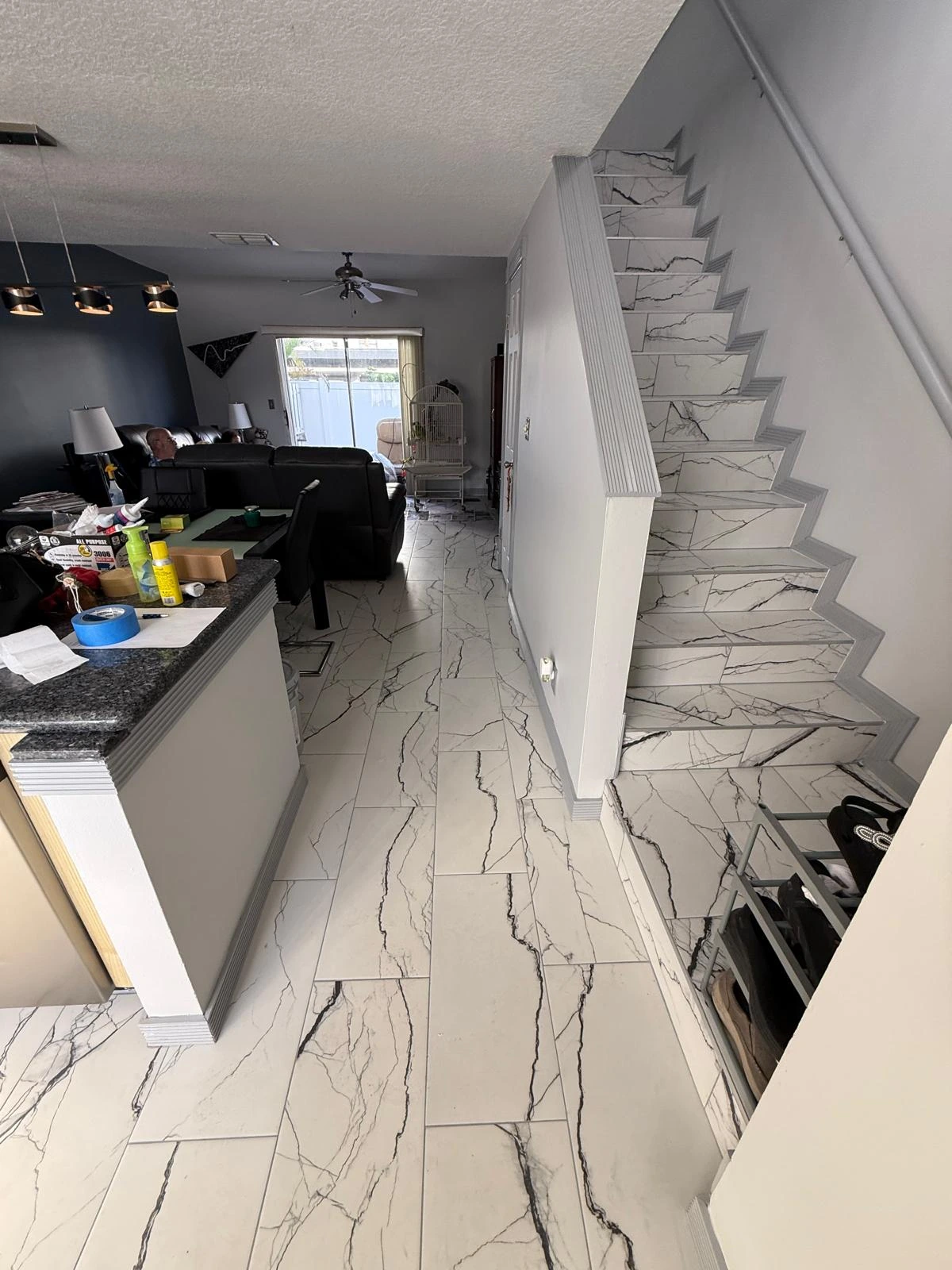
Tile Installation Projects
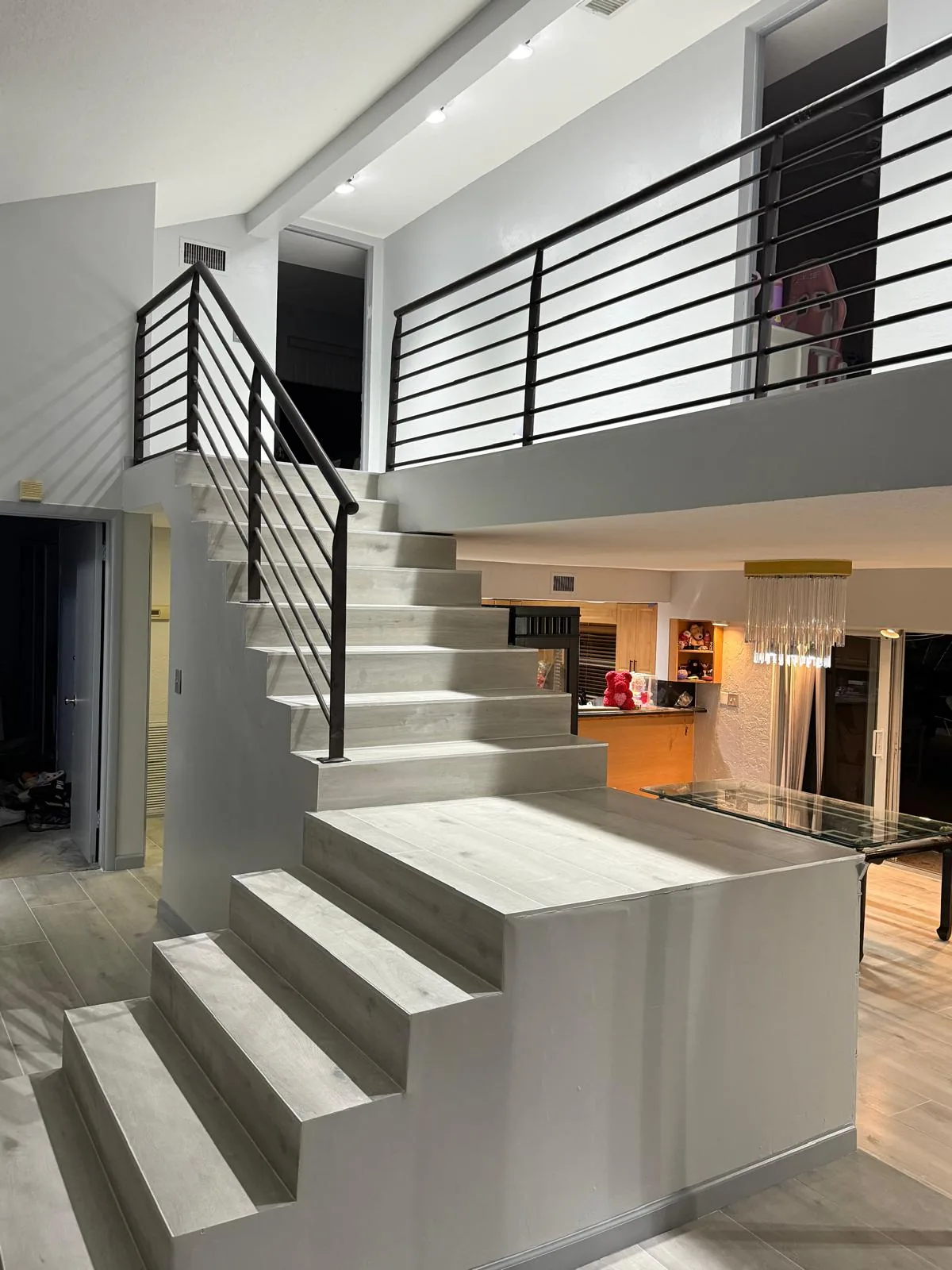
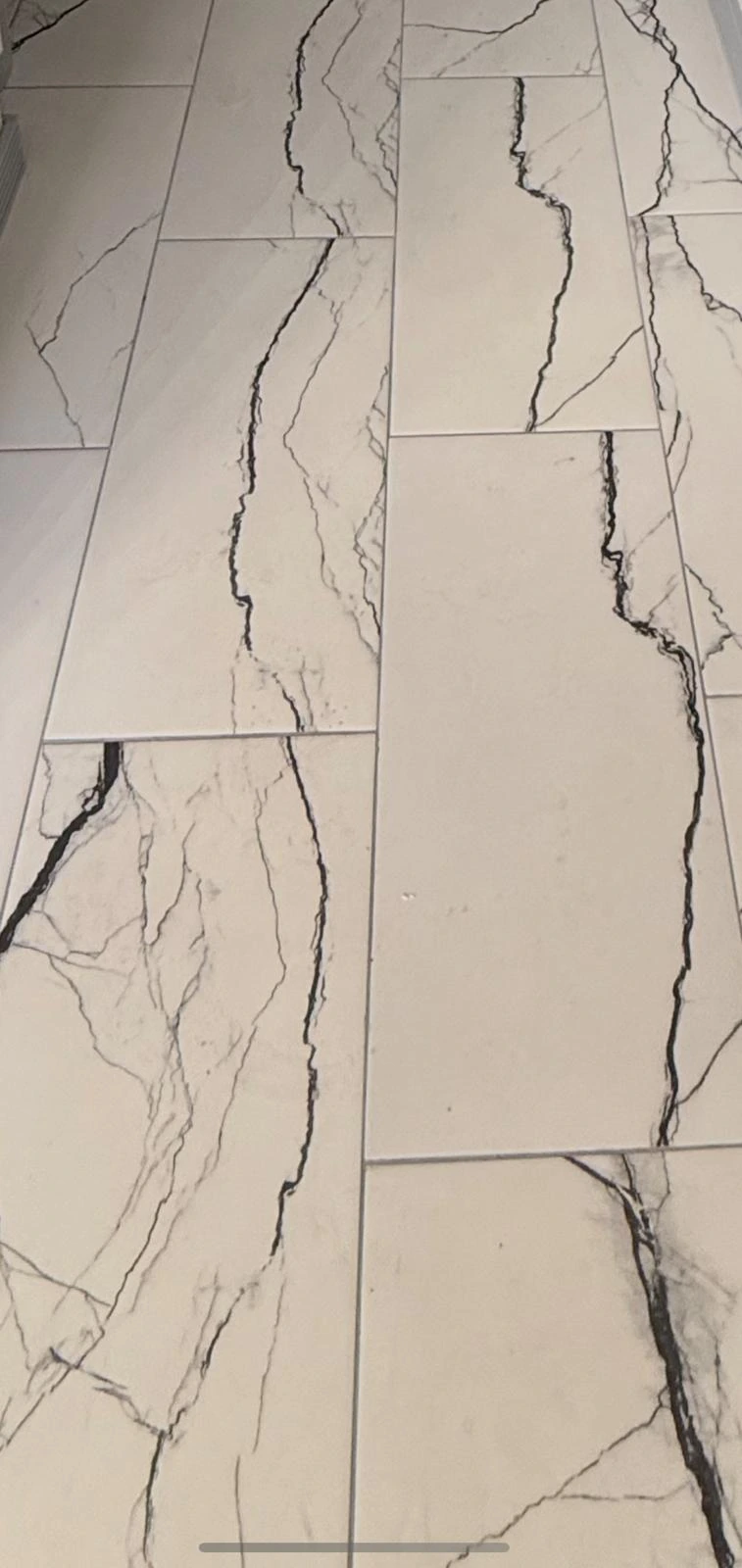
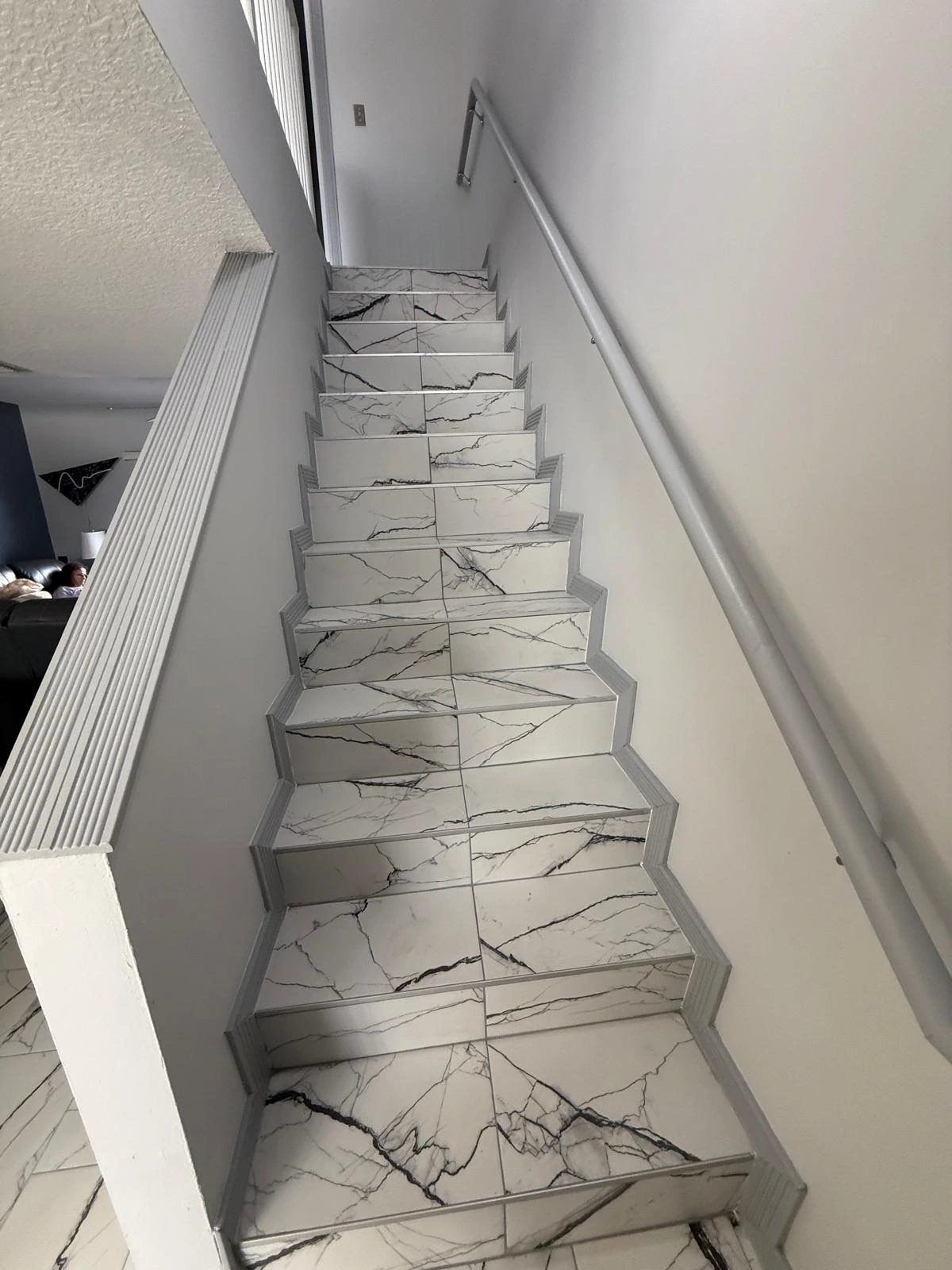
Real results from our team across Broward County and South Florida.
Ready to Start Your Project?
Get a free, no-obligation estimate for your Fort Lauderdale home.
Tile Installation in Fort Lauderdale — What You Need to Know
Tile installation in Fort Lauderdale often requires permit coordination, especially when floor assemblies or waterproofing tie into larger remodels. Broward County permits typically range from $250 to $2,000+ depending on scope, and applications go through Development Services at 700 NW 19th Ave or the LauderBuild online portal. Our team prepares the submittal package, keeps the product data ready for reviewers, and schedules inspections to avoid delays.
Floodplain rules matter here. Most neighborhoods fall into SFHA zones (AE inland, AO/AH in low-lying areas, and VE along the coast). For substantial improvements, the 50% rule can trigger elevation requirements, so we coordinate tile elevations and waterproofing to avoid compliance issues. In Las Olas Isles and other waterfront zones, salt air and high humidity demand premium thinset, epoxy grout, and crack-isolation membranes that won’t break down.
HOA guidelines are common in newer condo towers and planned communities, especially around Las Olas Boulevard and Flagler Village. We review approved material lists, sound transmission requirements, and working-hour rules before we start. Tarpon River’s older homes often need extra slab leveling and moisture testing, while Victoria Park’s historic character calls for clean transitions and classic patterns that fit the architecture.
Tile Installation Questions in Fort Lauderdale
Most projects land between $12–$28 per sq ft installed, depending on tile type, subfloor condition, and waterproofing needs. Luxury materials and complex layouts in waterfront homes can run higher.
If the tile install is part of a larger remodel, involves waterproofing changes, or affects structural elements, a permit is commonly required. Applications go through Fort Lauderdale Development Services at 700 NW 19th Ave or the LauderBuild portal.
Porcelain with low absorption, epoxy grout, and premium thinset perform best here. In waterfront areas, we also use crack-isolation membranes to handle moisture swings.
Yes. We source period-appropriate patterns and maintain tight grout lines and transitions so the tile fits Mediterranean Revival and 1930s architecture.
Many HOAs require approved materials, sound-control underlayment, and limited work hours. We coordinate with the board before ordering materials to prevent rework.